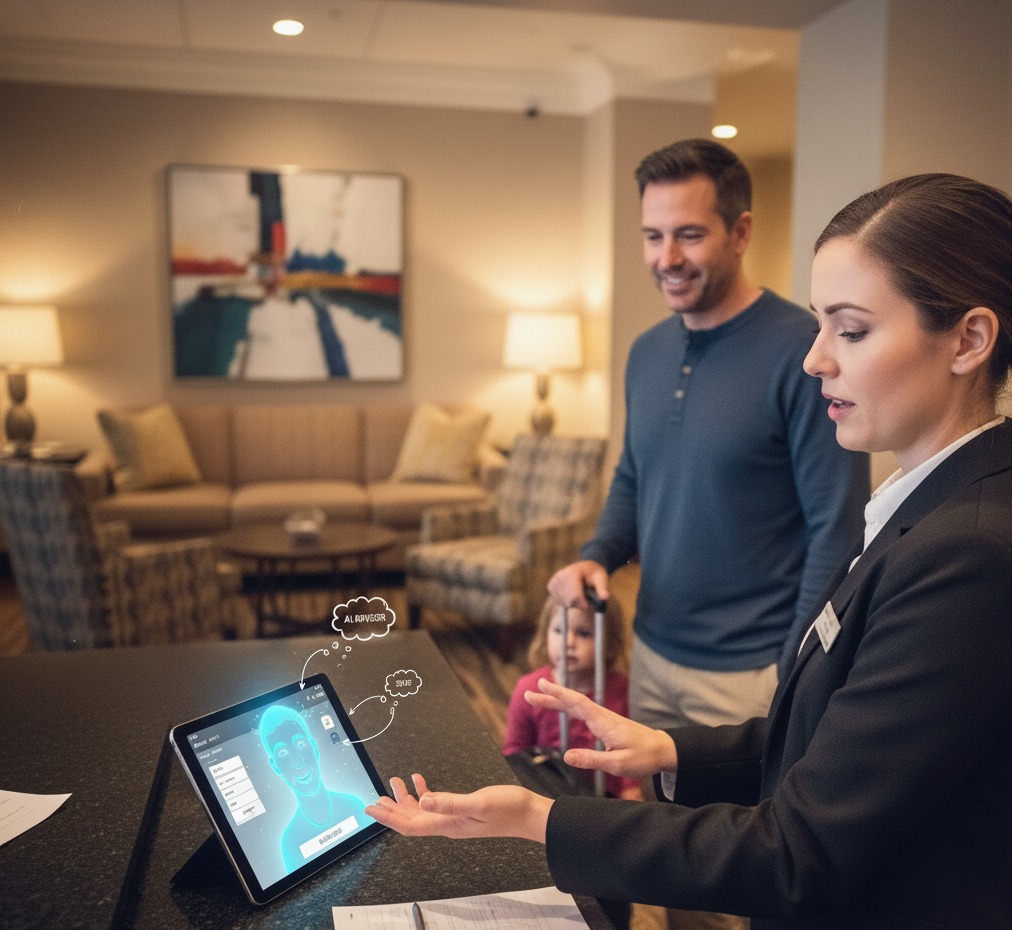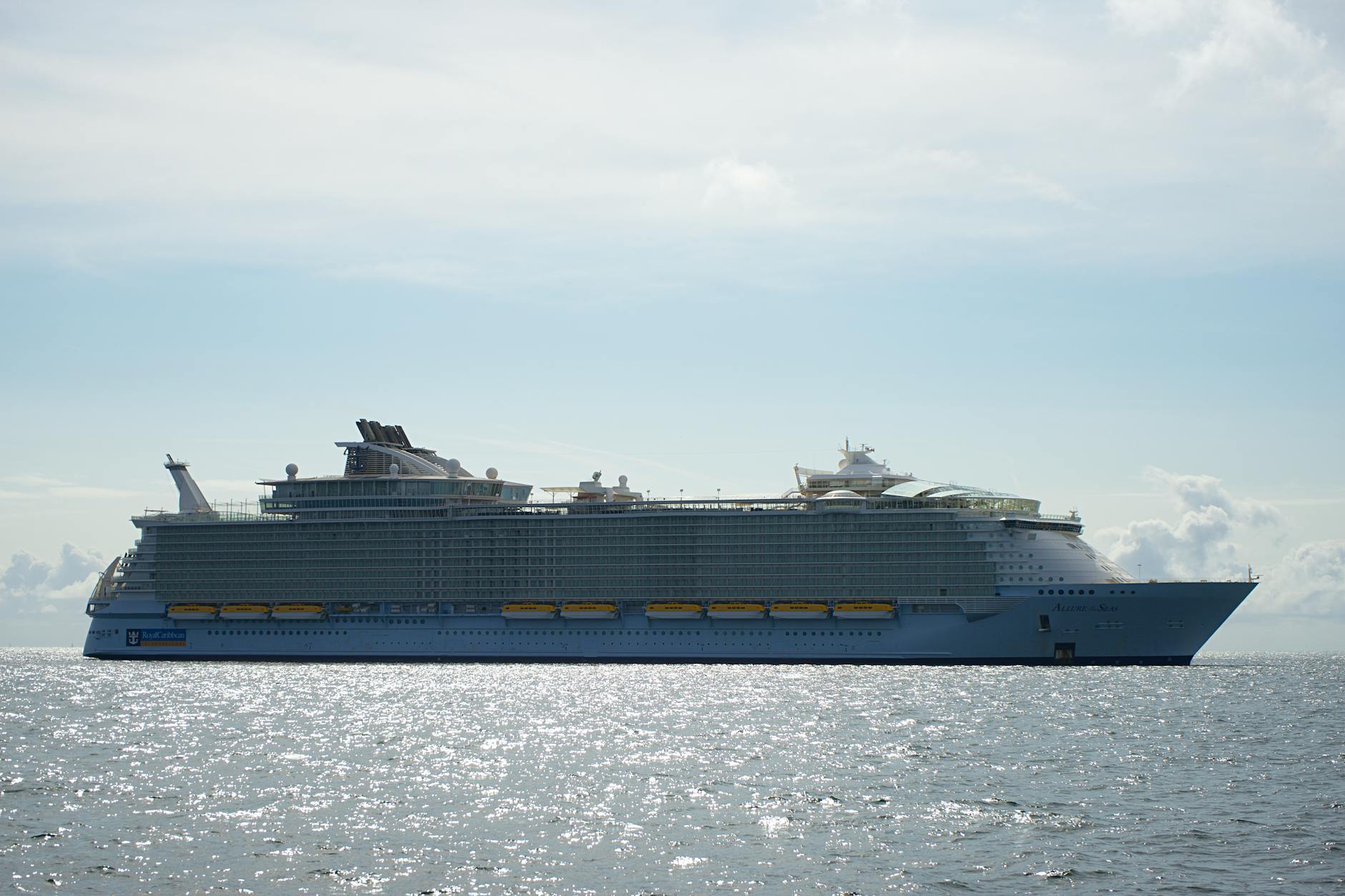
Cruise bookings are among the most complex and highest-value transactions in travel. A single reservation may involve cabin selection across dozens of categories, dining package choices, shore excursion planning, beverage packages, spa credits, flight add-ons, and travel insurance — with pricing that varies by sailing date, cabin grade, promotional offers, and loyalty status. The reservations agent who can navigate this complexity while creating excitement and urgency is worth their weight in gold.
According to CLIA (Cruise Lines International Association), the cruise industry continues to see record demand, but conversion remains highly dependent on agent expertise. CLIA UK & Ireland data shows that trained reservations agents convert 30-45% more enquiries into bookings than untrained ones, with average booking values 20-30% higher through effective cabin upselling and package attachment.
This guide provides a structured cruise reservations agent training programme that builds the deep product knowledge, specialist selling skills, and operational competence required to maximise revenue from every cruise enquiry.
Role Overview
Core Responsibilities
The cruise line reservations agent role combines specialist product expertise, high-value selling, and operational precision:
- Enquiry handling — managing calls, emails, and live chat from direct consumers, travel agents, and group organisers
- Needs assessment — understanding guest motivations, experience level, preferences, budget, and occasion
- Cabin recommendation — matching guest needs to the optimal cabin category, location, and grade
- Itinerary guidance — advising on sailing dates, port highlights, and shore excursion opportunities
- Package selling — recommending beverage, dining, Wi-Fi, spa, and excursion packages
- Upselling and upgrades — presenting cabin upgrades, suite options, and premium experiences
- Trade partner support — assisting travel agents with bookings, availability, promotions, and technical questions
- Group bookings — handling group and charter enquiries requiring bespoke pricing and allocation management
- Booking management — processing amendments, cancellations, waitlists, and special requests
- Loyalty programme — managing repeat guest bookings with loyalty status recognition and benefits application
A Typical Day
A cruise reservations agent's day begins with reviewing overnight enquiries, waitlist movements, and any promotional changes. Morning is typically the busiest call period, with enquiries ranging from simple availability checks to complex multi-cabin family celebrations. Between calls, agents follow up on pending enquiries, process agency bookings, and review upcoming sailing availability. Afternoon may include a product training session on a new ship or itinerary, or a promotional briefing. Late afternoon involves pipeline follow-up, CRM updates, and preparation for the next day.
Key Challenges
| Challenge | Impact |
|---|---|
| Product complexity | Multiple ships, hundreds of cabin categories, seasonal itineraries, and constantly changing pricing |
| High booking values | Average cruise booking of £2,000-£5,000+ per person means every interaction has significant revenue impact |
| First-time cruiser anxiety | Many enquirers are nervous about cruising; agents must educate and reassure as well as sell |
| Cabin category confusion | Guests don't understand the difference between cabin grades; poor explanation leads to dissatisfaction or lost bookings |
| Package attachment complexity | Multiple add-on packages with different pricing tiers create decision fatigue for guests |
| Trade partner dependency | Significant volume comes through travel agents who themselves may lack cruise expertise |
Required Knowledge and Skills
| Skill Area | Proficiency Needed | How to Develop |
|---|---|---|
| Ship and fleet knowledge | Advanced — must know deck plans, cabin categories, facilities, and on-board experience for each vessel | CLIA certification; ship visit programme; TravAI e-learning modules on fleet knowledge |
| Itinerary and destination knowledge | Intermediate to Advanced — must advise on ports, shore excursions, and seasonal considerations | CLIA destination training; TravAI destination modules; port guides |
| Consultative selling for high-value bookings | Advanced — must build trust and recommend with authority on high-value purchases | TravAI sales coaching; high-value selling workshops; roleplay practice |
| Cabin upselling | Advanced — must present cabin upgrades as value-enhancing experiences, not cost increases | Cabin selling frameworks; TravAI roleplay scenarios; visual selling techniques |
| Package and add-on selling | Advanced — must bundle packages effectively to maximise booking value and guest satisfaction | Package knowledge training; bundle selling workshops; TravAI e-learning |
| Booking system proficiency | Advanced — must navigate cruise-specific booking systems, deck plans, and pricing engines | System training; hands-on practice; TravAI assessment modules |
| First-time cruiser handling | Advanced — must educate, reassure, and convert guests who have never cruised before | First-cruiser communication framework; TravAI roleplay; empathy training |
| Trade partner support | Intermediate to Advanced — must assist agents with bookings and provide product expertise | Trade support training; TravAI e-learning on trade procedures; CLIA agent programme |
Competency Framework
| Competency | Beginner | Intermediate | Advanced |
|---|---|---|---|
| Fleet and cabin knowledge | Knows ship names, key features, and main cabin categories | Confidently navigates deck plans; recommends cabin locations based on guest profile; knows all grades | Expert on every cabin on every ship; creates bespoke cabin recommendations; advises on specific cabin numbers |
| Sales technique | Follows basic booking process; quotes prices accurately | Uses consultative selling; builds genuine excitement; handles complex enquiries; closes confidently | Achieves highest conversion and booking values; every interaction is a revenue-maximising opportunity |
| Cabin upselling | Mentions upgrade availability when asked | Proactively presents upgrades using visual and experiential selling; achieves consistent upgrade attachment | Transforms cabin selection into an experience design conversation; guests feel they're investing in memories, not spending money |
| Package selling | Lists available packages and prices | Bundles packages based on guest profile; creates value-driven proposals; overcomes price objections | Achieves industry-leading package attachment rates; packages feel like essential parts of the experience |
| First-cruiser conversion | Answers basic questions about cruising; provides factual information | Addresses anxieties proactively; paints vivid picture of the cruise experience; converts hesitant enquirers | Specialist in converting first-timers; creates confident, excited future cruisers who book premium |
| Trade partner support | Processes agent bookings accurately; answers basic queries | Proactively helps agents sell; provides deck plan guidance and selling tips; builds agent relationships | Becomes agents' preferred cruise contact; enables agent success through expert support and training |
Training Programme Structure
| Week/Phase | Focus Area | Activities | Assessment |
|---|---|---|---|
| Week 1-2: Foundation | Fleet knowledge, cabin categories, and cruise basics | Ship familiarisation via virtual tours and deck plans; cabin category deep-dive; TravAI e-learning on fleet and products; booking system basics; CLIA orientation | Fleet knowledge assessment with 80%+ pass; cabin category identification test |
| Week 3-4: Selling Skills | Consultative selling, needs assessment, and cabin recommendation | Consultative selling workshops; needs assessment practice; cabin recommendation exercises; TravAI roleplay with simulated cruise enquiries; call listening programme | Sales technique roleplay assessment; recommendation accuracy evaluation |
| Week 5-6: Upselling & Packages | Cabin upgrades, package selling, and revenue maximisation | Cabin upselling masterclass; visual selling technique training; package bundle workshops; TravAI roleplay with price-sensitive and premium scenarios; sales coaching | Upselling roleplay assessment; package attachment evaluation |
| Week 7-8: Specialist Scenarios | First-timers, groups, trade partners, and objection handling | First-cruiser conversion workshop; group booking procedures; trade partner support training; objection handling masterclass; TravAI AI roleplay with anxious and hesitant callers | First-cruiser roleplay assessment; group booking test; objection handling evaluation |
| Week 9-10: Supervised Live | Handling real enquiries with support | Take live calls with supervisor listening; process real bookings with quality review; handle agent support calls; daily debrief and coaching | Conversion rate tracking; booking accuracy review; average booking value; guest and agent feedback |
| Week 11-12: Independence | Full independent operation | Handle all enquiry types independently; manage pipeline; meet conversion and revenue targets | Conversion rate assessment; average booking value; package attachment rate; TravAI comprehensive assessment |
AI Training Recommendations
Cruise line reservations teams face unique training challenges — extreme product complexity, high booking values, and the need to combine deep technical knowledge with emotionally intelligent selling. AI-powered training tools address these challenges with consistency and scale.
How TravAI Tools Address Each Skill Gap
Realistic cruise selling practice — TravAI's AI roleplay simulates the full range of cruise enquiries: first-time cruisers needing reassurance, anniversary celebrations wanting the perfect cabin, price-sensitive families comparing cruise vs. land holiday, and demanding repeat cruisers with loyalty expectations. Agents practise consultative selling, cabin upselling, and package attachment with immediate scored feedback. See how cruise sales enablement is transforming the industry.
Fleet knowledge at scale — E-learning modules deliver consistent ship, cabin, and itinerary knowledge across the entire reservations team. When new ships launch or itineraries change, updated modules ensure every agent has current, accurate knowledge. This scales training far beyond what classroom sessions can achieve.
Assessment and certification — Assessment tools verify fleet knowledge, cabin category expertise, and selling competence before agents handle high-value live enquiries. Given that a single poorly handled cruise enquiry can represent thousands of pounds in lost revenue, this quality gate is commercially essential.
Performance analytics — Tracking dashboards give reservations managers visibility into each agent's development, training completion, and competency progression. Combined with live performance data, this enables the targeted coaching that transforms average agents into top performers.
Trade partner enablement — Many cruise bookings come through travel agents. TravAI's e-learning platform enables cruise lines to train external agents on fleet knowledge and selling techniques, while sales coaching tools help reservations agents provide better support to their trade partners.
Common Skill Gaps
| Skill Gap | Impact on Business | Training Solution |
|---|---|---|
| Cabin knowledge depth | Agents cannot differentiate cabin grades; guests book lower categories or don't book at all | Fleet familiarisation; visual deck plan training; TravAI e-learning; ship visits |
| First-cruiser conversion | Nervous first-timers not converted; significant market segment underserved | First-cruiser communication framework; TravAI roleplay scenarios; empathy training |
| Cabin upselling technique | Standard cabins sold when guests would have valued and accepted an upgrade; ADR below potential | Visual and experiential selling training; TravAI sales coaching; upgrade framing practice |
| Package attachment | Guests sail without packages; on-board spend replaces pre-booked revenue; guest satisfaction lower | Package knowledge training; bundle selling workshops; TravAI roleplay |
| Itinerary and port knowledge | Agents cannot advise on destinations; shore excursion revenue missed; agents perceived as unhelpful | CLIA destination training; TravAI destination e-learning; port guides |
| Objection handling for high values | Price objections on £5,000+ bookings not handled; bookings lost to competitors or deferred indefinitely | Objection handling masterclass; value-framing training; TravAI AI roleplay |
| System and pricing navigation | Slow booking creation; pricing errors; guest frustration during complex multi-cabin enquiries | System training; pricing engine practice; TravAI system competency assessment |
Onboarding Milestones
| Timeframe | Milestone | Measurable Outcome |
|---|---|---|
| End of Week 1 | Fleet foundation knowledge | Passes fleet overview assessment with 80%+; can identify all ships, key cabin categories, and main itineraries |
| End of Week 2 | Cabin category and system proficiency | Can navigate deck plans, explain cabin differences, and create standard bookings in the system |
| End of Month 1 | Sales fundamentals and product competence | Demonstrates consultative selling in roleplay; passes detailed fleet knowledge assessment; creates bookings independently |
| End of Month 2 | Supervised live operation | Handling live calls with supervisor support; conversion rate tracked; cabin upsell attempted on 60%+ of calls; booking accuracy above 95% |
| End of Month 3 | Independent operation | Handling all standard enquiry types independently; meeting minimum conversion and revenue targets; package attachment rate above 40% |
| End of Month 4 | Revenue contribution established | Conversion rate within 10% of team average; average booking value meeting targets; first-cruiser conversion above 20% |
| End of Month 6 | Full performance | Meeting or exceeding all KPIs; handling complex multi-cabin and group bookings; TravAI competency scores at intermediate level across all areas; CLIA certification achieved |
Measuring Training Effectiveness
| KPI | Baseline Measurement | Target Improvement | Measurement Method |
|---|---|---|---|
| Enquiry-to-booking conversion rate | % of cruise enquiries resulting in confirmed bookings | 15-20 percentage point improvement within 6 months | CRM/booking system reports |
| Average booking value | Average revenue per booking (cabin + packages) | 15-25% increase through upselling and package attachment | Revenue reporting system |
| Cabin upgrade rate | % of bookings that include an upgrade from initial cabin interest | 25%+ upgrade attachment rate | Booking system analysis |
| Package attachment rate | % of bookings including beverage, dining, or excursion packages | 50%+ package attachment within 6 months | Booking system package data |
| Training completion rate | % of modules and assessments completed on time | 95%+ within programme timeline | TravAI analytics |
| First-cruiser conversion rate | % of first-time cruise enquirers who book | 25%+ first-cruiser conversion | CRM enquiry tracking |
| Booking accuracy | % of bookings created without errors | 98%+ accuracy | Quality audit programme |
| Revenue per agent | Total revenue generated per agent per month | 20% improvement within 6 months | Revenue reporting by agent |
| Trade partner satisfaction | Agent satisfaction with reservations team support | NPS of 50+ from trade partners | Agent satisfaction surveys |
| Competency assessment scores | Performance across all core skill areas | 85%+ across all competencies within 6 months | TravAI assessment platform |
Next Steps
The cruise reservations agent role demands a rare combination of deep product knowledge, high-value selling technique, and emotional intelligence. Structured training transforms this complexity into competitive advantage — every well-trained agent becomes a revenue multiplier who converts more enquiries, at higher values, with greater guest satisfaction.
For more on cruise team development, explore the cruise line use case, learn about cruise sales enablement strategies, or see how AI-powered sales coaching drives close rates.