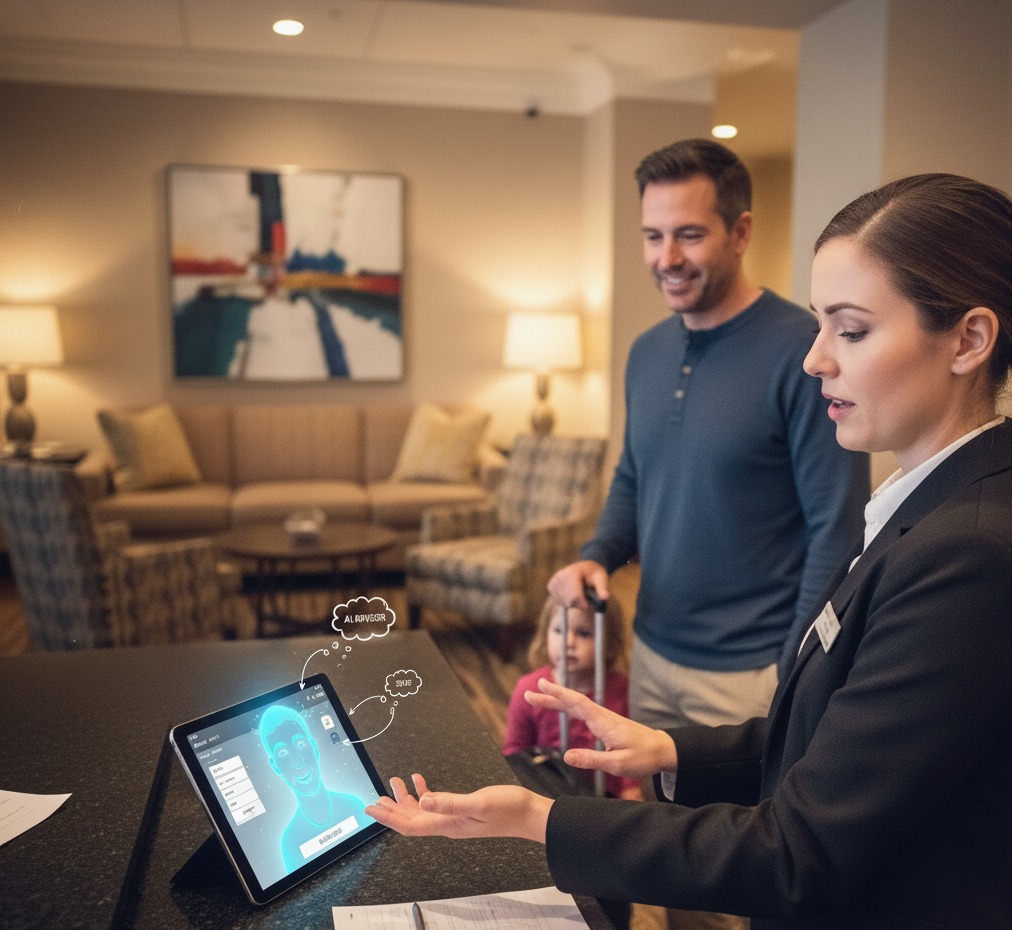
The skills that made a great travel agent in 2015 are no longer sufficient. Back then, knowing how to navigate a GDS and having a decent knowledge of popular destinations could carry you through most working days. Today, agents need a broader, deeper skill set that combines technical proficiency, emotional intelligence, and commercial acumen.
This isn't about replacing what made travel agents valuable — it's about adding layers. The fundamental ability to listen to a customer, understand their needs, and recommend the perfect trip remains the core of the job. But the context around that core has changed dramatically.
Here are the 15 skills that separate high-performing travel agents from average ones in 2026.
1. Consultative Selling
The days of "tell me where you want to go and I'll book it" are finished. Modern customers expect agents to act as consultants — asking probing questions, understanding unstated needs, and making recommendations that the customer hadn't considered.
Consultative selling means moving from reactive order-taking to proactive advising. It's the difference between booking what someone asks for and creating a trip that exceeds their expectations. The Institute of Travel and Tourism (ITT) highlights consultative selling as the single most important skill for agents seeking to differentiate themselves from online booking platforms.
How to develop it: Practice with AI roleplay scenarios that simulate real customer conversations, including budget-conscious families, once-in-a-lifetime honeymooners, and demanding luxury travellers.
2. Active Listening
Active listening goes beyond hearing words. It means picking up on emotional cues, reading between the lines, and remembering details that the customer mentioned casually but that matter deeply.
When a customer says "we'd like somewhere quiet," they might mean a secluded villa — or they might mean a hotel that's family-friendly but not a party resort. Active listening means asking the follow-up questions that distinguish between these very different needs.
How to develop it: Record and review your customer conversations (with permission). Notice moments where you assumed rather than asked.
3. Destination Expertise
Generic destination knowledge is a commodity — your customers can get it from Google. What agents need is the kind of layered, nuanced expertise that comes from genuine understanding.
This means knowing not just that Santorini has beautiful sunsets, but which side of the island offers the best sunset views from your hotel room, which restaurants are booking-essential in August, and whether a family with young children would be better suited to a different Greek island entirely.
DMOs and national tourism boards invest heavily in agent education programmes because they know that informed agents sell more. Take advantage of these resources, and supplement them with interactive training modules that build depth beyond brochure-level knowledge.
How to develop it: Specialise in 3-5 destination areas rather than trying to know everywhere superficially. Complete destination specialist certifications where available.
4. Objection Handling
Every agent faces objections. "I can find it cheaper online." "We'll think about it." "The reviews say..." How you handle these moments determines whether enquiries become bookings.
Effective objection handling isn't about arguing or pressuring. It's about acknowledging the concern, providing relevant information, and guiding the customer to a confident decision. The Sales Management Association reports that agents who practise objection handling through simulation outperform those who rely on experience alone.
How to develop it: Work through the most common travel objection scenarios in a safe practice environment. AI-powered roleplay lets you rehearse difficult conversations without the pressure of a live customer.
5. Digital Literacy
Agents in 2026 need to be comfortable with technology — not just booking systems, but CRM platforms, AI-powered training tools, social media channels, and communication platforms.
This doesn't mean becoming a developer. It means being confident enough with digital tools that technology supports your selling rather than slowing you down.
How to develop it: Dedicate 30 minutes per week to exploring a digital tool you don't currently use well. Ask colleagues who are digitally confident for tips.
6. Product Knowledge Depth
Surface-level knowledge gets exposed quickly. When a customer asks about the difference between a balcony cabin and a mini-suite on a specific cruise ship, or wants to understand what "all-inclusive" actually includes at a particular resort, they need specific, accurate answers.
Building deep product knowledge requires ongoing investment. Products change constantly — new ship launches, hotel renovations, airline route additions. Continuous learning through bite-sized modules is more effective than trying to absorb everything in annual supplier presentations.
How to develop it: Use AI-powered quizzes to test and reinforce your knowledge regularly. Even five minutes per day compounds into significant expertise over a year.
7. Upselling and Cross-Selling
The difference between an average booking and a great booking often comes down to the extras — room upgrades, travel insurance, airport transfers, lounge access, experience packages, private tours.
Effective upselling isn't about increasing the bill for the sake of it. It's about recommending genuine enhancements that improve the customer's experience. An agent who suggests pre-booking a private sunset sailing trip in Mykonos is adding value, not pushing product.
According to Phocuswright, agencies that systematically train agents on upselling see an average booking value increase of 15-25%.
How to develop it: Learn the upsell opportunities for every product you sell. Practise weaving recommendations naturally into conversations rather than bolting them on at the end.
8. Time Management
Travel agents juggle multiple customers, follow-ups, supplier communications, training, and administrative tasks simultaneously. Poor time management leads to missed callbacks, slow response times, and stressed-out agents who make mistakes.
How to develop it: Block your day into focused periods — customer calls, admin, follow-ups, and training. Use CRM task management to stay on top of follow-ups.
9. Emotional Intelligence
Travel is emotional. Customers booking honeymoons, memorial trips, family reunions, and bucket-list adventures bring strong feelings to the conversation. Agents who can read and respond to these emotions create deeper connections and earn more trust.
Emotional intelligence also helps in managing difficult situations — complaints, cancellations, and disappointed customers whose expectations weren't met.
How to develop it: Pay attention to the emotional subtext of customer conversations. Notice body language in face-to-face interactions and tone of voice on calls.
10. Written Communication
Email remains a primary communication channel between agents and customers. The quality of your written communication affects how professional and trustworthy you appear.
This includes crafting compelling itinerary proposals, writing persuasive follow-up emails, and handling complaint correspondence diplomatically. Travel Weekly regularly publishes advice on effective travel communication, highlighting that well-written proposals convert at significantly higher rates.
How to develop it: Review your sent emails critically. Are they clear, well-structured, and free of errors? Ask a colleague to review an anonymised proposal and give honest feedback.
11. Social Media and Digital Marketing
More agents are expected to maintain a social media presence — sharing destination content, customer testimonials, and travel inspiration that generates leads.
This doesn't require becoming an influencer. It requires basic competency in creating engaging posts, using platform-specific features (Instagram Stories, Facebook Groups, LinkedIn articles), and understanding how social content drives booking enquiries.
How to develop it: Follow successful travel agents on social media and study what works. Start with one platform and build consistency before expanding.
12. Compliance and Regulatory Knowledge
ATOL protection, ABTA membership requirements, GDPR data handling, package travel regulations — the regulatory landscape for travel agents is significant and carries real consequences for non-compliance.
Agents need working knowledge of these frameworks, not just awareness that they exist. Customers ask compliance-related questions, and confident, accurate answers build trust.
How to develop it: Complete compliance training modules and refresh annually. Keep a quick-reference guide for common customer questions about financial protection.
13. Negotiation Skills
Agents negotiate constantly — with customers who want a better price, with suppliers seeking preferential allocation, and with colleagues competing for limited offers.
Effective negotiation in travel is collaborative, not adversarial. The goal is creating outcomes where both parties feel they've gained value.
How to develop it: Study negotiation frameworks (interest-based negotiation works particularly well in travel). Practise in roleplay scenarios with varying difficulty levels.
14. AI Literacy
This is the newest addition to the essential skills list, but it's rapidly becoming non-negotiable. Agents don't need to understand how AI works technically, but they do need to know how to work with AI tools effectively.
This includes using AI-powered coaching during customer conversations, leveraging AI for product research, and understanding how AI-generated content can support (but not replace) their expertise.
The World Economic Forum identifies AI literacy as a top-five emerging skill across all industries — travel included.
How to develop it: Use AI tools daily. Start with your training platform and expand to other AI applications relevant to your role.
15. Resilience and Adaptability
Pandemics, volcanic ash clouds, airline collapses, geopolitical events — travel agents operate in an industry that regularly delivers the unexpected. Resilience isn't about ignoring stress; it's about maintaining effectiveness when things don't go to plan.
Adaptability means embracing new products, new technology, new customer expectations, and new ways of working without resisting change.
How to develop it: Build a strong professional support network. Share challenges with colleagues. Invest in your own development so that change feels like an opportunity rather than a threat.
Bringing It All Together
No agent masters all 15 skills overnight. The key is honest self-assessment, prioritisation, and consistent investment in development.
Start by identifying your three biggest skill gaps. Focus on those first. Use AI-powered training to build knowledge and roleplay simulations to build confidence. Track your progress through regular assessments, and celebrate improvement.
The agents who thrive in 2026 and beyond will be the ones who view skill development not as a chore, but as a competitive advantage.
This article is part of our Travel Agent Training series. Related reading: