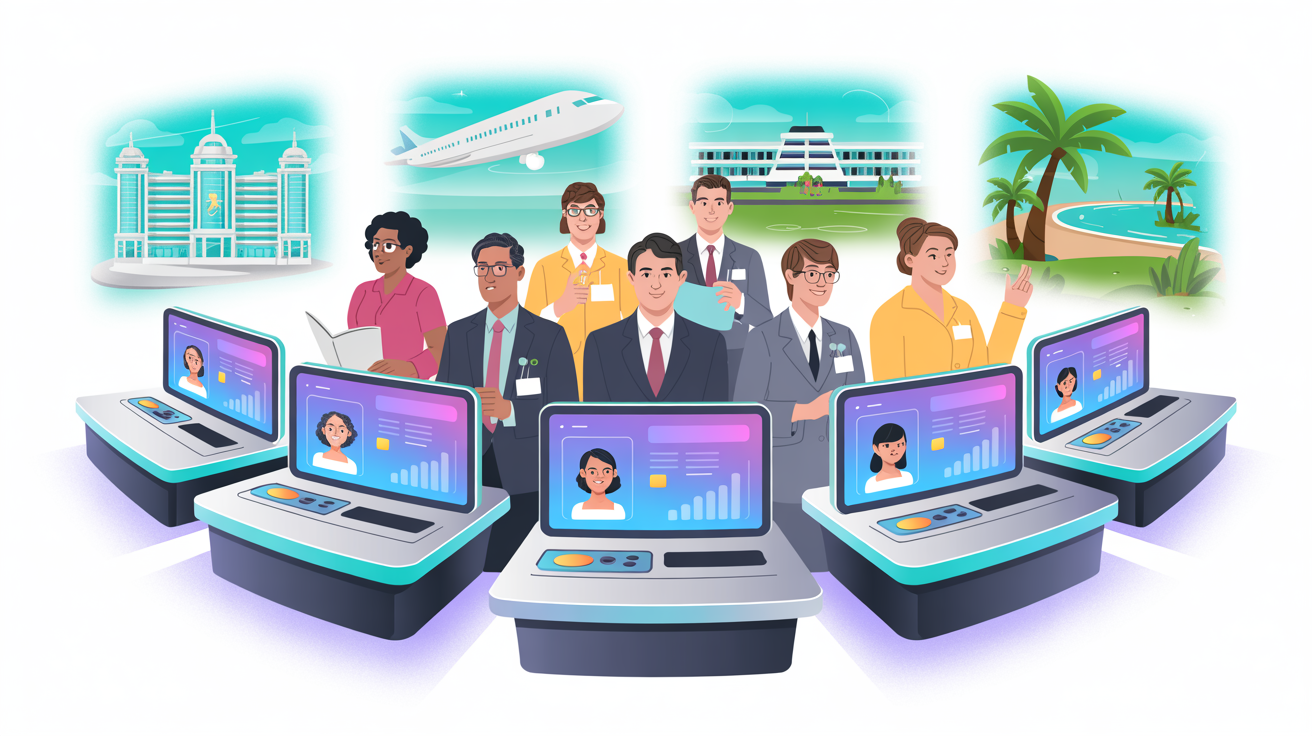
Conference and business tourism — often called MICE (Meetings, Incentives, Conferences, Exhibitions) — represents the highest-value segment for most destinations. Business visitors spend 2-3x more per day than leisure visitors. They visit during midweek and shoulder seasons, complementing leisure peaks. And they frequently return as leisure visitors, having discovered the destination through a work trip.
For DMOs, attracting business tourism requires a different strategy from leisure marketing. The decision-maker is a conference organiser or corporate buyer, not an individual traveller. The decision criteria are venue capability, accessibility, and value for money, not scenery and culture. The marketing channel is B2B, not B2C.
The Business Tourism Opportunity
Why DMOs Should Invest in MICE
| Benefit | Detail |
|---|---|
| Higher daily spend | Business visitors spend £150-£300/day vs. £80-£150 for leisure |
| Midweek demand | Conferences fill hotel rooms Monday-Thursday, complementing weekend leisure |
| Seasonality support | Conferences run year-round, supporting shoulder and off-peak months |
| Extended stays | Delegates often extend for leisure days, bringing partners |
| Repeat visitation | 40% of business visitors return for leisure within 2 years |
| Stakeholder value | High-value, high-visibility events benefit the wider tourism economy |
UK business tourism is worth over £30 billion annually (Business Visits & Events Partnership), with regional destinations capturing an increasing share as London costs drive events to other cities and venues.
Building the Business Tourism Proposition
Step 1: Audit Your Venue Infrastructure
Conference organisers need specific venue capabilities. Document and promote:
| Venue Element | What Organisers Need | Your Destination's Offer |
|---|---|---|
| Conference venue | Capacity, AV, breakout rooms, catering | List all venues with specifications |
| Accommodation | Room blocks, proximity, quality | Hotels within walking distance of venues |
| Accessibility | Transport links, airport proximity, rail | Connection options with journey times |
| Dining | Group dining options, private spaces | Restaurants that handle group bookings |
| Team building | Activity options, unique experiences | Local experiences suitable for corporate groups |
| Social programme | Evening entertainment, cultural venues | Bars, attractions, cultural options |
Step 2: Create the Business Tourism Brand
The business tourism proposition may need its own identity within the destination brand:
- Position: Why choose [destination] for your conference?
- Key messages: Accessible, value for money, unique venue options, exceptional delegate experience, [destination character]
- Target: National association conferences, corporate meetings, incentive travel, academic conferences
- Differentiation: What can you offer that Birmingham, Manchester, or Edinburgh can't?
Step 3: Build the Conference Bureau Function
Most successful destination business tourism operations run a conference bureau — a dedicated function within the DMO that:
- Responds to conference enquiry leads
- Produces bid documents and proposals
- Coordinates venue, accommodation, and activity partners for bids
- Hosts inspection visits for conference organisers
- Provides delegate welcome services
- Measures and reports business tourism economic impact
Step 4: Marketing to Conference Organisers
Target audiences:
- Association conference organisers (national bodies, professional institutes, academic societies)
- Corporate meeting planners
- Event management companies
- Incentive travel agencies
- Government and public sector procurement
Marketing channels:
| Channel | Application | Priority |
|---|---|---|
| Trade shows (IMEX, The Meetings Show, C&IT) | Direct engagement with buyers | High |
| Conference bureau website | Online presence, venue finder, RFP system | High |
| B2B content, thought leadership, direct outreach | High | |
| Direct outreach | Targeted approach to specific conferences | High |
| Email marketing | Nurturing relationships with organisers | Medium |
| PR | Case studies, awards, industry media | Medium |
| Trade training | Educate incentive agents on destination capability | Medium |
Content for conference organisers:
- Venue guide with specifications, capacities, and pricing guidelines
- Case studies from previous successful conferences
- Destination video showcasing venue and delegate experience
- Sample programmes for different conference sizes
- Testimonials from organisers who chose your destination
- Transport accessibility guide with journey time maps
Step 5: Support the Bid Process
When a conference opportunity arises, DMOs should actively support venue bids:
Bid support services:
- Professional bid document production
- Civic welcome letters from mayor/council leader
- Coordination of venue and hotel proposals
- Hosted inspection visit for organiser
- Delegate experience programme suggestions
- Financial support (subvention) for high-value, high-impact conferences
Subvention (financial incentives):
Some DMOs provide financial support to attract strategically valuable conferences:
| Subvention Type | Application |
|---|---|
| Cash contribution | Toward venue hire, social programme, or marketing |
| In-kind support | Civic reception, delegate welcome, promotional materials |
| Marketing support | Conference promotion to boost attendance |
| Transport subsidy | Delegate shuttle, discounted parking |
Subvention should be strategic — targeted at conferences that deliver significant economic impact, generate media coverage, or attract delegates from target source markets.
Training the Trade for Business Tourism
AI-powered training supports DMO business tourism marketing:
- eLearning modules for incentive agents: Destination knowledge specifically for corporate incentive trip planning
- Roleplay scenarios: Practising destination selling to corporate buyers and incentive planners
- Venue knowledge training: Detailed venue specifications and capabilities for agents who handle conference bookings
- Specialist certification: Business tourism specialist designation for agents who complete advanced training
Measuring Business Tourism Impact
| Metric | Measurement | Target |
|---|---|---|
| Conference enquiries received | Bureau tracking | Growth year-on-year |
| Bid conversion rate | Won bids ÷ total bids | >30% |
| Conferences hosted | Event counting | Growth year-on-year |
| Delegate numbers | Event reporting | Growth in total delegates |
| Delegate spend | Survey + economic modelling | £150-£300/day average |
| Economic impact | Delegate spend × delegate days | Reported annually |
| Leisure conversion | Follow-up survey of delegates | >15% return for leisure within 2 years |
| Midweek occupancy | Accommodation data | Improvement trend |
| Client satisfaction | Post-event survey of organisers | >4.2/5 |
Include business tourism in stakeholder reporting as a separate segment, highlighting its contribution to midweek demand, seasonality, and high-value visitor spending.
Market your destination for conferences with TravAI →
This article is part of our DMO Marketing series. Related reading: