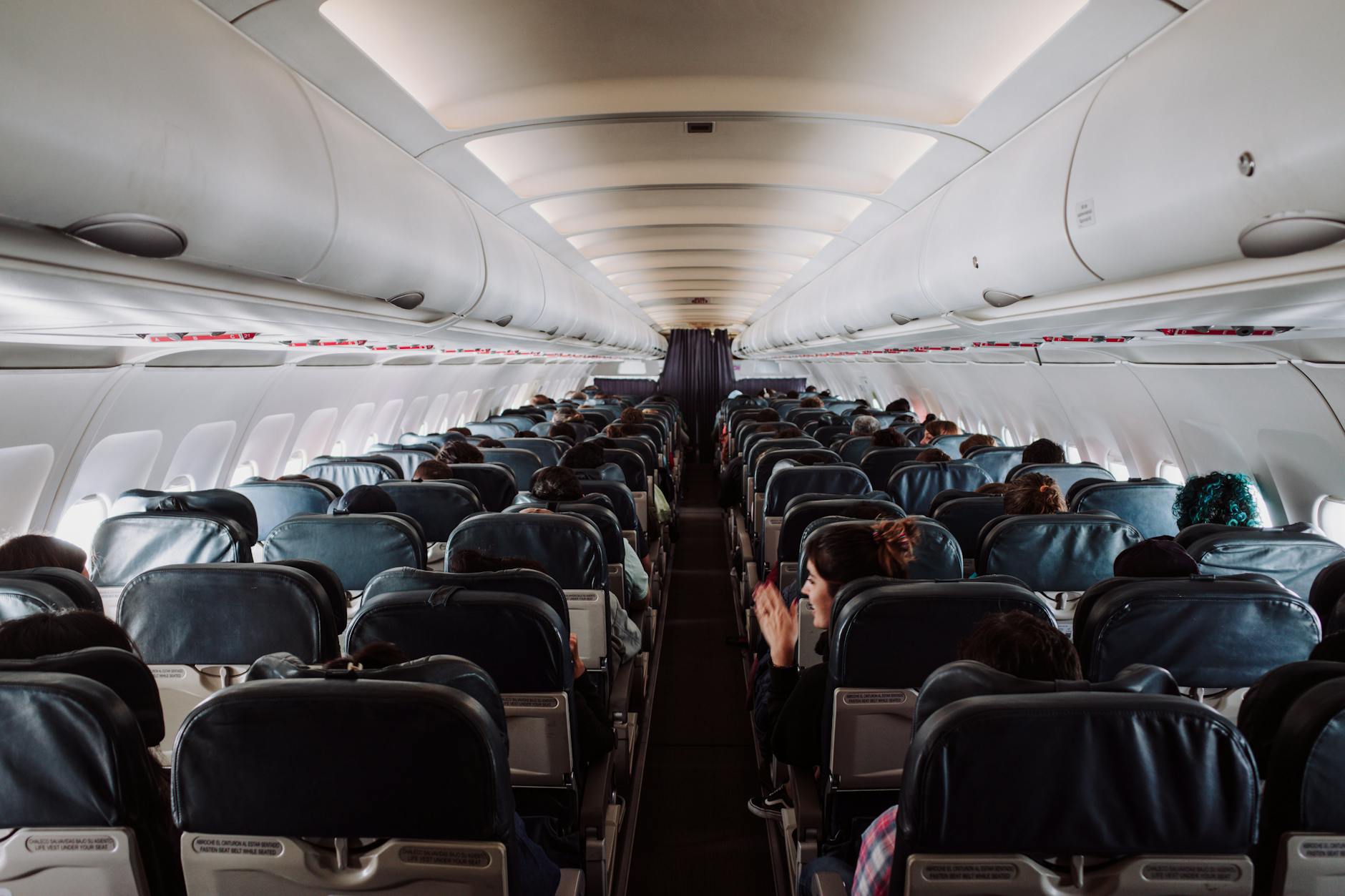
Most attractions experience dramatic seasonal swings — theme parks see 60-70% of annual visitors in summer months, heritage sites peak during school holidays, and seasonal events create intense booking windows. Training agents to sell effectively across all seasons transforms unpredictable revenue into year-round trade income.
The Seasonality Challenge
Why Seasonality Hurts Trade Revenue
| Impact | Detail |
|---|---|
| Agent awareness drops | Agents stop recommending attractions they associate only with summer |
| Booking windows narrow | Peak demand concentrates in weeks, not months |
| Off-peak perception | Agents assume "closed" or "not worth visiting" outside peak |
| Pricing confusion | Variable pricing across seasons creates agent uncertainty |
| Content staleness | Training created for peak season becomes irrelevant by autumn |
According to ALVA data, attractions that actively promote shoulder and off-peak periods through the trade channel achieve 15-25% higher annual revenue compared to those relying solely on peak-season trade bookings.
Understanding Your Seasonal Profile
Mapping the Attraction Calendar
Before training agents, map your complete seasonal offering:
| Season | Typical Period | Visitor Profile | Trade Opportunity |
|---|---|---|---|
| Peak | July-August; school holidays | Families; domestic tourists | High demand — focus on upselling premium experiences |
| Shoulder | April-June; September-October | Couples; international visitors; retirees | Growing demand — focus on value positioning |
| Off-peak | November-March | Enthusiasts; local visitors; corporate groups | Low demand — focus on special events and unique experiences |
| Event-driven | Christmas markets; Halloween; festivals | Mixed — event-specific audiences | Spike demand — focus on early booking and packages |
The Revenue Opportunity
| Scenario | Peak Revenue | Off-Peak Revenue | Annual Total |
|---|---|---|---|
| No seasonal strategy | £800,000 | £200,000 | £1,000,000 |
| Basic off-peak promotion | £800,000 | £350,000 | £1,150,000 |
| Full seasonal training programme | £850,000 | £500,000 | £1,350,000 |
A structured seasonal training programme can increase annual trade revenue by 35% — primarily through unlocking off-peak and shoulder bookings that agents would otherwise never make.
Training Agents for Peak Season
What Agents Need to Know
| Knowledge Area | Content | Why It Matters |
|---|---|---|
| Advance booking benefits | Queue times reduced 40-60% with timed entry; guaranteed admission on sell-out days | Agents can justify advance booking fees |
| Premium peak products | VIP tours, fast-track passes, early/late access | Peak visitors pay more for exclusivity |
| Crowd management | Best days and times; how your attraction handles capacity | Addresses the biggest peak-season objection |
| Family packages | School holiday bundles; multi-day passes; meal deals | Family bookings are peak-season's core market |
| Booking logistics | Cut-off times; amendment policies; group minimums | Reduces agent hesitation and booking errors |
Peak-Season Selling Scripts
Train agents with specific language for peak periods:
| Situation | Agent Script |
|---|---|
| Customer hesitates on price | "Peak season is the busiest time — booking through us guarantees your entry on your chosen day, which isn't always possible at the gate. Plus, I can add fast-track access so you skip the main queues" |
| Customer worries about crowds | "We recommend [specific quiet days/times]. I can book timed entry for [time] when it's typically 40% quieter than midday" |
| Customer wants flexibility | "The flexible ticket lets you visit any day within your chosen week — so if the weather changes or plans shift, you're covered" |
Training Agents for Off-Peak Selling
Reframing Off-Peak
The biggest training challenge is changing agents' perception that attractions are a "summer thing." Effective training content reframes off-peak as a premium opportunity:
| Off-Peak Advantage | How to Position |
|---|---|
| Fewer crowds | "This is the best-kept secret — you'll have the place virtually to yourself" |
| Lower prices | "You get the same experience at 30-40% less than summer prices" |
| Special events | "The Christmas experience is completely different — it's a separate event worth visiting for alone" |
| Atmosphere | "The gardens in autumn are spectacular — many regular visitors say it's their favourite time" |
| Exclusive access | "Behind-the-scenes tours only run in winter when the attraction is quieter" |
Off-Peak Product Training
| Product Type | Example | Agent Selling Angle |
|---|---|---|
| Seasonal events | Halloween nights, Christmas markets, light festivals | "This is a completely separate experience — customers who've visited in summer will love this" |
| Behind-the-scenes | Winter maintenance tours, curator talks, breeding programmes | "Access you simply can't get in peak season" |
| Packages with accommodation | Weekend breaks including attraction entry | "A complete short break — perfect for a birthday or anniversary" |
| Corporate and incentive | Exclusive-hire evenings, team-building days | "Group bookings are ideal in off-peak — competitive rates and exclusive use" |
| Educational visits | School trips, adult learning programmes | "Term-time visits avoid the crowds entirely" |
Building a Seasonal Training Programme
Content Calendar Approach
Align training updates with your seasonal calendar:
| Timing | Training Content | Purpose |
|---|---|---|
| January | New year overview: what's coming this year; early booking incentives | Kickstart annual selling |
| March | Spring/Easter product update; family packages launched | Prepare for first peak window |
| May | Summer peak selling guide; premium experience training | Equip agents for highest-demand period |
| August | Autumn/shoulder season update; couple and retiree targeting | Transition from peak to shoulder selling |
| October | Christmas and winter event training; gift voucher promotion | Drive seasonal event bookings |
| November | Next year preview; advance booking incentives | Capture early bookers and build pipeline |
AI-Powered Seasonal Updates
AI-assisted content creation transforms seasonal training economics:
| Approach | Traditional | AI-Powered |
|---|---|---|
| New seasonal module | 3-4 weeks to create | 2-3 days |
| Annual content refresh | £8,000-£15,000 | £2,000-£4,000 |
| Update frequency | 2-3 times/year | Monthly or more |
| Agent notification | Email blast (low open rate) | Platform notification with targeted content |
| Knowledge check | None until next roadshow | Instant assessment after each update |
Pricing Knowledge Training
Training Agents on Dynamic and Seasonal Pricing
| Pricing Element | What Agents Must Know |
|---|---|
| Dynamic pricing | Prices change based on demand and date — earlier booking = better price |
| Peak surcharges | School holiday premiums; bank holiday rates; event pricing |
| Off-peak discounts | How much customers save; which dates qualify |
| Group pricing | Minimum numbers; coach driver and organiser policies |
| Trade net rates | How trade pricing differs from gate prices; commission structure |
| Bundle discounts | Multi-attraction passes; meal deals; parking inclusions |
Price Communication Training
Roleplay exercises should cover:
| Scenario | Training Focus |
|---|---|
| Customer comparing your price to gate price | Explain added value: guaranteed entry, fast-track, flexibility |
| Customer asking why prices are higher in August | Explain demand-based pricing; suggest shoulder dates for better value |
| Customer wanting to book cheapest possible | Identify their flexibility; suggest off-peak dates where appropriate |
| Agent unsure of current prices | Training on where to find real-time pricing; avoiding quoting outdated rates |
Engagement Strategies
Keeping Agents Engaged Year-Round
| Strategy | Implementation | Expected Impact |
|---|---|---|
| Seasonal certification | Quarterly mini-assessments on current offerings | Agents stay current; certified status maintained |
| Agent incentive programmes | Bonus commission or rewards for off-peak bookings | Directly motivates shoulder/off-peak selling |
| FAM visit timing | Invite agents during off-peak to experience non-summer atmosphere | Agents who visit off-peak sell off-peak |
| Success story sharing | Share examples of agents who've driven off-peak revenue | Social proof motivates peers |
| Performance tracking | Show agents their seasonal booking patterns; identify gaps | Data-driven development conversations |
Measuring Seasonal Training Impact
| Metric | How to Measure | Target |
|---|---|---|
| Off-peak booking share | % of trade bookings in off-peak months | Increase from typical 15-20% to 30-35% |
| Seasonal training completion | % of agents completing seasonal updates | 60%+ of active agents |
| Average booking value by season | Compare ABV across peak, shoulder, off-peak | Off-peak ABV within 20% of peak (upselling compensates) |
| Agent seasonal activity | Number of agents booking in 3+ seasons | 50%+ of active agents |
| Revenue smoothing ratio | Peak revenue ÷ off-peak revenue | Reduce from 4:1 to 2:1 or better |
Getting Started
| Step | Timeline | Action |
|---|---|---|
| 1 | Week 1 | Map your complete seasonal calendar and product offering |
| 2 | Week 2-3 | Create year-round training content covering all seasons |
| 3 | Week 3 | Build seasonal assessment modules |
| 4 | Week 4 | Launch to agents with clear seasonal selling incentives |
| 5 | Monthly | Update content to reflect current and upcoming seasons |
| 6 | Quarterly | Review seasonal booking data and adjust training focus |
The attractions that achieve consistent year-round trade revenue are those that train agents to see every season as a selling opportunity — not just summer. With AI-powered training that updates as fast as your seasonal programme evolves, agents always have current, compelling reasons to recommend your attraction.
Build your seasonal training programme with TravAI →
This article is part of our Attractions & Experiences Sales series. Related reading: