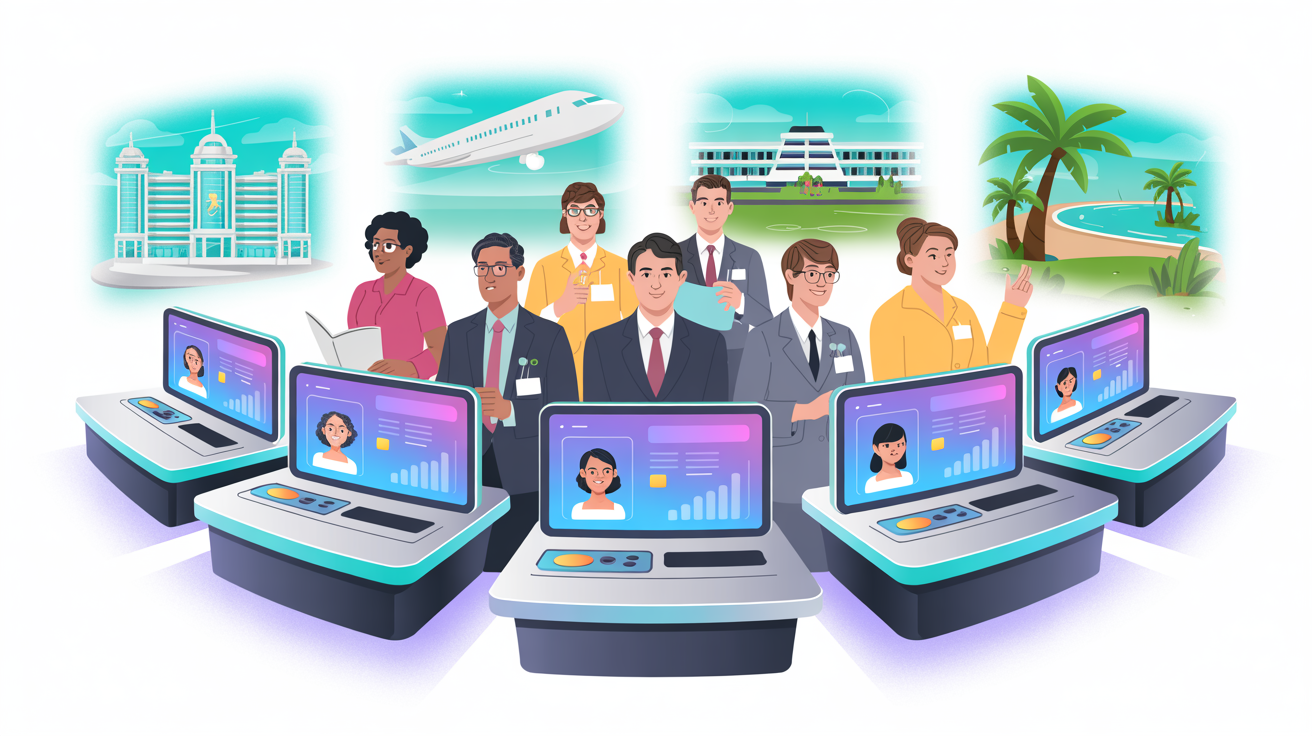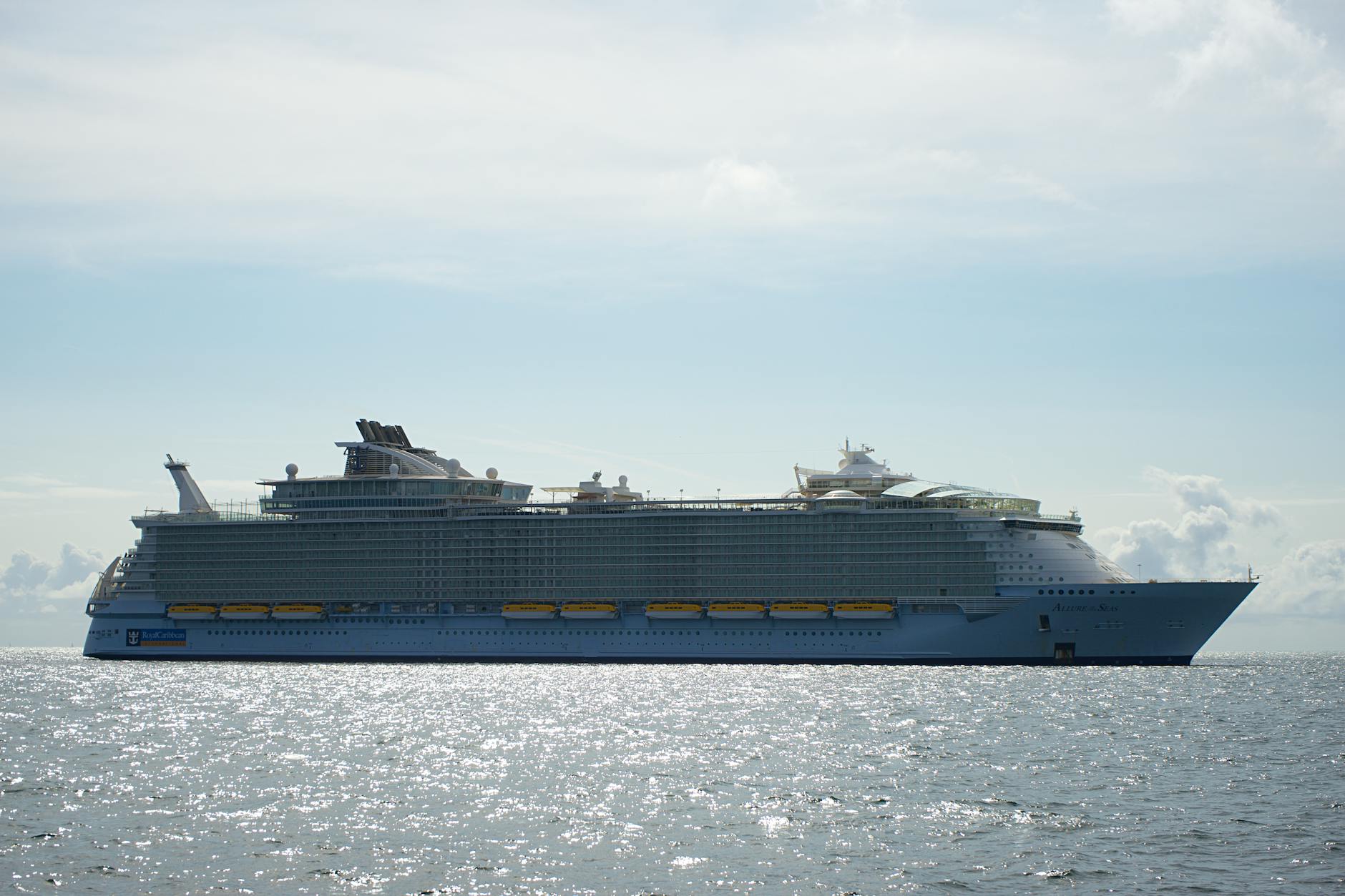
Cruise is the fastest-growing sector in travel — and one of the most complex to sell. With multiple cabin categories, dining options, entertainment venues, excursion packages, drinks bundles, Wi-Fi plans, loyalty tiers, and ship-specific features across dozens of vessels, the product knowledge required to sell cruise confidently exceeds almost any other travel product.
That complexity creates both a challenge and an opportunity. Agents who understand cruise products sell them with confidence, achieving higher conversion rates and significantly higher booking values through ancillary upselling. Agents who don't default to simpler products — or sell cruise poorly, leading to mismatched customers and complaints.
This guide covers everything travel businesses need to know about cruise sales training — from the business case to implementation, from product knowledge to selling techniques, from traditional methods to AI-powered solutions.
Why Cruise Sales Training Matters
The Cruise Market Opportunity
The cruise industry has grown dramatically:
| Metric | Value | Source |
|---|---|---|
| Global cruise passengers (2024) | 35.7 million | CLIA (Cruise Lines International Association) |
| UK & Ireland cruise passengers | 2.2 million | CLIA UK & Ireland |
| Global cruise revenue | $38 billion+ | CLIA |
| Average cruise booking value | £2,800-£4,500 (UK market) | Industry data |
| Ancillary revenue per passenger | £400-£1,200 | Cruise line reports |
| Annual growth rate | 6-8% | CLIA |
| New ships on order | 60+ (through 2028) | Seatrade Cruise |
With new ships launching constantly, expanding itineraries, and growing consumer interest, cruise represents one of the largest revenue opportunities for travel agents — but only if they can sell it effectively.
The Knowledge Challenge
| Challenge | Impact |
|---|---|
| Ship differentiation | 300+ ships across 50+ lines — how does an agent know which to recommend? |
| Cabin complexity | Inside, outside, balcony, suite, guarantee — each with sub-categories |
| Pricing opacity | Inclusive vs add-on pricing models vary dramatically by line |
| Ancillary products | Drinks, Wi-Fi, excursions, speciality dining, spa — significant revenue opportunity |
| Customer matching | Family ship vs adults-only, mainstream vs luxury, ocean vs river — wrong match means complaints |
| Itinerary variation | Same destination, different ports, different timings — itinerary knowledge matters |
| Loyalty programmes | Past guest benefits, tier structures, status matching — important for repeat cruisers |
The Training Gap
CLIA agent surveys reveal:
| Finding | % of Agents |
|---|---|
| Feel confident selling cruise | 42% |
| Can explain cabin categories across 5+ lines | 28% |
| Can articulate the difference between cruise lines for customer matching | 35% |
| Have completed formal cruise training in past 12 months | 31% |
| Would sell more cruise if they felt more confident | 78% |
The gap between opportunity and capability is enormous — and it's primarily a training problem.
What Cruise Sales Training Must Cover
1. Product Knowledge
The foundation of effective cruise selling:
| Topic | What Agents Need to Know | Training Method |
|---|---|---|
| Cruise line positioning | Where each line sits: mainstream, premium, luxury, expedition, river | Interactive comparison modules |
| Ship knowledge | Key features, capacity, age, refurbishment status per ship | Ship-specific training modules |
| Cabin categories | Types, locations, pricing tiers, and which customers suit each | Visual guides with deck plans |
| Inclusive vs extra | What's included in fare vs add-on across different lines | Line-by-line comparison tables |
| Dining options | Main dining, speciality restaurants, room service, dietary accommodation | Product knowledge modules |
| Entertainment and facilities | Shows, activities, pools, kids clubs, spa, fitness | Ship-specific content |
| Itineraries | Key routes, port highlights, season patterns | Destination modules |
| Loyalty programmes | Tier structures, benefits, status matching between lines | Quick-reference guides |
2. Customer Matching
The most critical skill in cruise selling — matching the right customer to the right ship:
| Customer Profile | Recommended Cruise Type | Key Considerations |
|---|---|---|
| Young couple, first cruise | Mainstream contemporary | Fun atmosphere, activities, nightlife |
| Family with young children | Family-focused mainstream | Kids clubs, family cabins, waterparks |
| Retired couple, experienced cruisers | Premium or luxury | Quality dining, smaller ships, enrichment |
| Multi-generational family | Large mainstream or premium | Range of activities for all ages; suite options |
| Adventure seekers | Expedition or small ship | Unique destinations, zodiac excursions |
| River cruise first-timers | Mainstream river | Port-intensive itineraries, included excursions |
| Luxury travellers | Ultra-luxury or luxury | All-inclusive, butler service, exclusivity |
AI roleplay can simulate diverse customer scenarios, training agents to ask the right questions and recommend the right product.
3. Selling Techniques
| Technique | Application in Cruise Sales |
|---|---|
| Needs analysis | Discover travel style, budget flexibility, must-haves, and deal-breakers |
| Value articulation | Explain what's included — cruise often represents better value than comparable land holidays |
| Upselling | Cabin upgrades, drinks packages, excursion bundles |
| Objection handling | Address common cruise objections: seasickness, boredom, cost, crowds |
| Cross-selling | Pre/post-cruise hotel stays, airport transfers, travel insurance |
| Closing | Create urgency (cabin availability, early booking offers, price guarantees) |
4. Ancillary Revenue
Ancillary products represent significant revenue and commission opportunity:
| Ancillary Product | Average Value | Agent Commission | Selling Approach |
|---|---|---|---|
| Drinks packages | £300-£800 per cabin | 10-15% | "Pre-booking saves 20% vs buying onboard" |
| Excursion packages | £200-£600 per person | 10-20% | Curate port-specific recommendations |
| Wi-Fi packages | £100-£300 per cruise | 10-15% | Position for workation/family connectivity needs |
| Speciality dining | £50-£200 per person | 10-15% | "The teppanyaki experience is worth booking — it sells out" |
| Spa packages | £150-£500 per person | 10-15% | Pair with celebration/honeymoon bookings |
| Photography packages | £100-£300 | 5-10% | Mention during booking confirmation |
| Travel insurance | £50-£200 per person | 15-30% | Essential for cruise (medical evacuation) |
Total ancillary potential: £400-£1,200 per booking — often doubling the agent's commission.
Training Methods: What Works
Traditional Approaches
| Method | Strengths | Weaknesses |
|---|---|---|
| Cruise line roadshows | Product updates; relationship building | Limited reach; one-time exposure |
| Ship visits/familiarisation | Experiential product knowledge | Expensive; reaches few agents |
| CLIA certification | Industry-recognised credential | Generic; not line-specific |
| Webinars | Low cost; broad reach | Passive; low engagement |
| PDFs and brochures | Detailed reference material | Not interactive; rarely read thoroughly |
AI-Powered Approaches
| Method | Strengths | Why It's Better |
|---|---|---|
| Interactive AI modules | Engaging, measurable, always available | 3-5x completion rates vs traditional |
| AI roleplay | Practice selling conversations with realistic virtual customers | Available 24/7; unlimited practice |
| AI coaching | Personalised feedback on selling technique | Every agent gets coaching, not just those near a BDM |
| AI assessments | Verify knowledge with auto-generated questions | Measurable knowledge baselines |
| Analytics | Connect training to booking data | Prove ROI; optimise content |
The Hybrid Model
The most effective cruise training combines both:
| Component | Method | Frequency |
|---|---|---|
| Product knowledge foundation | AI-powered modules per cruise line/ship | On hire + new product launches |
| Selling skills | AI roleplay + coaching | Weekly practice |
| Product updates | Microlearning + webinars | Monthly |
| Experiential knowledge | Ship visits and sailing experiences | Annually (for top performers) |
| Industry certification | CLIA programmes + specialist certification | Annual progression |
| Knowledge verification | AI assessments | Quarterly |
Building a Cruise Training Programme
For Cruise Lines (Training Trade Partners)
| Step | Action | Timeline |
|---|---|---|
| 1 | Implement AI training platform for trade partner training | Month 1 |
| 2 | Create interactive modules for each ship and product | Month 1-2 |
| 3 | Develop roleplay scenarios for key selling situations | Month 2 |
| 4 | Launch certification programme with incentives | Month 2-3 |
| 5 | Connect training data to booking data | Month 3 |
| 6 | Use analytics to inform BDM targeting and marketing | Month 4+ |
For Travel Agencies (Training Sales Teams)
| Step | Action | Timeline |
|---|---|---|
| 1 | Assess current team cruise knowledge with baseline assessments | Week 1 |
| 2 | Identify knowledge gaps by cruise line and product area | Week 2 |
| 3 | Assign AI training modules based on gaps | Week 2-4 |
| 4 | Implement weekly roleplay practice for cruise selling | Week 3+ |
| 5 | Enable AI coaching for cruise-specific feedback | Week 3+ |
| 6 | Track conversion and booking value improvements | Month 2+ |
Measuring Cruise Training Effectiveness
Key Metrics
| Metric | Baseline (Before Training) | Target (12 Months) |
|---|---|---|
| Cruise bookings per agent per month | 1-2 | 3-5 |
| Average cruise booking value | £2,800 | £3,500+ |
| Ancillary attachment rate | 25-35% | 55-70% |
| Average ancillary value per booking | £200 | £500+ |
| Cruise enquiry conversion rate | 20-30% | 40-55% |
| Agent confidence score (cruise) | 3/5 | 4.5/5 |
| Customer complaint rate | 4-6% | 1-3% |
The Revenue Calculation
For an agency with 20 agents, each handling 10 cruise enquiries per month:
| Scenario | Conversion | Avg Booking | Ancillary | Monthly Revenue |
|---|---|---|---|---|
| Before training | 25% (50 bookings) | £2,800 | £200 (30% attach) | £143,000 |
| After training | 42% (84 bookings) | £3,400 | £450 (60% attach) | £308,280 |
| Improvement | +68% more bookings | +21% higher value | +125% more ancillary | +116% revenue |
This represents £1.98M additional annual revenue from training investment — a return that makes cruise training one of the highest-ROI investments a travel agency can make.
Common Cruise Training Mistakes
| Mistake | Consequence | Solution |
|---|---|---|
| Training only on one or two lines | Agents can't match customers to the right product | Cover all major lines with comparative modules |
| Product knowledge without selling skills | Agents know the ship but can't convert enquiries | Combine knowledge with roleplay practice |
| One-time training events | Knowledge decays within weeks | Continuous microlearning and spaced repetition |
| No ancillary training | Agents leave significant revenue on the table | Dedicated ancillary upselling modules |
| Ignoring objection handling | Agents lose sales to common misconceptions | Practice with AI roleplay addressing top objections |
| No measurement | Can't prove value or optimise content | Full analytics from day one |
The Future of Cruise Sales Training
The cruise industry's growth — with 60+ new ships on order — means product complexity will only increase. Traditional training methods can't keep pace with the volume of new ships, itineraries, and products entering the market.
AI-powered training is the only approach that scales to match this complexity — creating comprehensive, interactive content for every ship, every line, and every product, while providing personalised coaching and practice opportunities that build the confidence agents need to sell cruise effectively.
The cruise lines and agencies that invest in scalable training now will capture disproportionate market share as the industry continues to grow.
Transform your cruise sales training with TravAI →
This article is the pillar page for our Cruise Industry Sales series. Related reading: