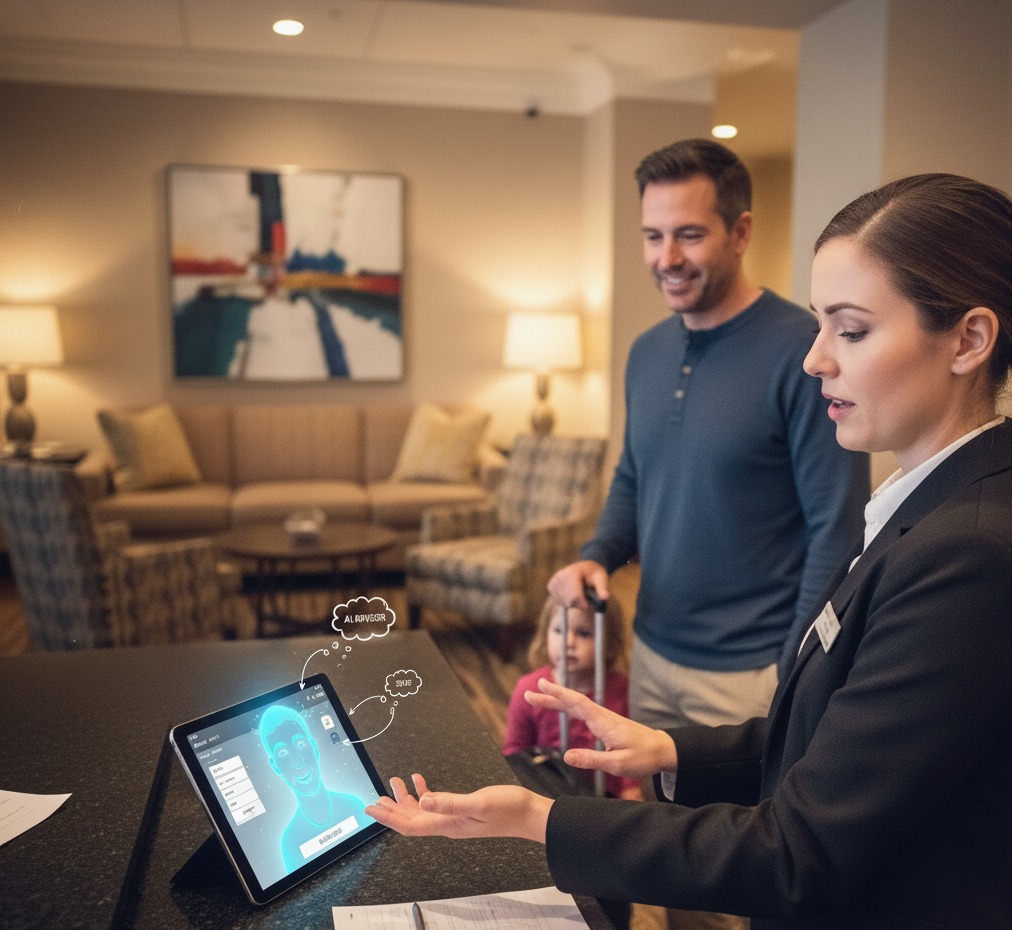
Cultural attractions — museums, galleries, heritage sites, and historical monuments — represent one of the fastest-growing segments in the experience economy. Yet many travel agents default to theme parks and adventure activities when recommending attractions, overlooking cultural products that often deliver higher customer satisfaction and increasingly competitive commission.
The Cultural Attraction Opportunity
Market Growth
| Metric | Detail |
|---|---|
| Global museum visits | 1.5B+ annually (ICOM estimate) |
| Heritage tourism growth | +18% visitor growth 2022-2025 (ALVA) |
| Average cultural attraction satisfaction | 4.5/5 (vs 4.1/5 for theme parks on TripAdvisor) |
| Repeat visit rate | 35-45% for cultural attractions (vs 20-25% for theme parks) |
| Trade channel penetration | Only 8-12% of cultural attraction revenue comes via trade |
The low trade penetration means significant growth potential for agents who develop cultural selling skills.
Why Agents Avoid Cultural Attractions
| Barrier | Reality |
|---|---|
| "They're free, so no commission" | Many offer paid experiences: guided tours, VIP access, exhibitions, events |
| "Customers won't pay" | Premium cultural experiences (£30-£150pp) are among the highest-rated products in travel |
| "Hard to sell — too niche" | Cultural tourism is mainstream — 40%+ of international visitors include cultural attractions |
| "I don't know enough about art/history" | You don't need to be an expert — you need to match the right experience to the right customer |
| "Customers can just walk in" | Trade-exclusive products, skip-the-line, and guided experiences add genuine value |
Understanding Cultural Attraction Products
Product Categories
| Category | Examples | Trade Product | Typical Price |
|---|---|---|---|
| Major national museums | British Museum, Louvre, Smithsonian | Guided tours, exhibition tickets, VIP access | £15-£50pp |
| Art galleries | Tate, Uffizi, MoMA | Curated tours, exhibition packages, art workshops | £20-£80pp |
| Heritage sites | Stonehenge, Pompeii, Machu Picchu | Guided visits, access passes, experience packages | £15-£100pp |
| Historic houses and castles | Chatsworth, Versailles, Neuschwanstein | Guided tours, behind-the-scenes, dining experiences | £20-£120pp |
| Religious and spiritual sites | Westminster Abbey, Sagrada Familia, Vatican | Skip-the-line, guided tours, rooftop/crypt access | £15-£60pp |
| Living history and open-air museums | Beamish, Colonial Williamsburg, Skansen | Day passes, immersive experiences, workshops | £15-£40pp |
What Makes Cultural Products Valuable for Trade
| Value Element | How It Works |
|---|---|
| Skip-the-line access | Major cultural sites have 1-3 hour queues in peak season — trade tickets bypass them |
| Expert-guided experiences | Curated tours reveal stories visitors would miss on self-guided visits |
| Exclusive access | Before/after hours, restricted areas, private viewings |
| Combined packages | Attraction + dining + transport — convenience customers will pay for |
| Educational value | Families want children to learn while on holiday — cultural sites deliver |
Selling Cultural Attractions: The Approach
Know Your Customer Segments
| Segment | Cultural Interest | Best Products | How to Identify |
|---|---|---|---|
| Culture seekers | Primary motivation for travel | In-depth guided tours, multi-site passes, workshops | "We want to understand the history"; previous cultural trips |
| Culture samplers | Part of a broader holiday | Highlight tours (2-3 hours), skip-the-line, combined packages | "We'd like to do something cultural"; mix of activities planned |
| Reluctant culture | Would enjoy it but wouldn't choose it | Interactive/immersive experiences, food-related cultural visits | Families; groups with mixed interests; first-time visitors |
| Accidental culture | Encounter it through other activities | Include as part of broader itinerary; position as "must-see" | City break customers; walking tour enthusiasts |
Selling Techniques for Cultural Products
1. Lead with the story, not the category
| Instead of... | Say... |
|---|---|
| "There's a museum you could visit" | "There's a place where you can stand in the room where [historical event] happened — the guide brings it to life" |
| "The gallery has paintings from the 16th century" | "Imagine seeing the actual painting that changed Western art — and having a guide explain exactly why it mattered" |
| "It's a heritage site" | "This is where [famous person] lived and worked — you'll walk through their actual rooms and hear their story from someone who's spent 20 years studying them" |
2. Address the "boring" perception
Many customers assume cultural attractions are static and passive. Modern cultural experiences are anything but:
| Objection | Response |
|---|---|
| "Museums are boring" | "This isn't the museum you remember from school. They've got interactive exhibits, immersive rooms, and a guide who makes it feel like time travel. Families consistently rate it higher than the theme parks" |
| "The kids won't enjoy it" | "They've designed a specific family trail — the children solve puzzles, discover hidden objects, and earn rewards. Last summer, families rated it 4.7 out of 5" |
| "We'd rather be outdoors" | "The heritage site is set in 500 acres of parkland — the guided walk takes you through the gardens, the estate, and into the house. It's mostly outdoors" |
| "We can just look around ourselves" | "You can — but the guided experience opens rooms that aren't on the public route and tells stories you won't find in any guidebook. It's genuinely a different visit" |
3. Position as a holiday highlight, not an add-on
| Weak Positioning | Strong Positioning |
|---|---|
| "While you're in [city], you could also visit the museum" | "The highlight of your [city] trip will be the private evening tour of [museum] — most visitors never get to see it like that" |
| "There's a castle nearby" | "I've booked you the behind-the-scenes tour of [castle] on day three — you'll have lunch in the medieval kitchen and the guide is brilliant. It's the thing my clients always mention first when they get back" |
Using Storytelling to Sell
Practise storytelling with frameworks like:
| Framework | Example |
|---|---|
| Personal connection | "One of my clients stood in the Tower of London where Anne Boleyn was imprisoned — she said it was the most moving experience of her trip" |
| Unexpected discovery | "Most people don't know that beneath the gallery, there's a medieval chapel that wasn't discovered until 2010. The guided tour takes you down there" |
| Sensory description | "You walk through rooms where the walls are covered in original silk wallpaper from the 1700s — the light through the windows is extraordinary. Photos don't do it justice" |
| Emotional impact | "The guide tells the story of the family who lived there during the war — by the end, visitors are genuinely moved. It's powerful" |
Practical Selling Knowledge
Booking Logistics Agents Need
| Element | What to Know |
|---|---|
| Timed entry | Many major sites require timed slots — book early, especially for peak periods |
| Group minimums/maximums | Private tours typically 6-15 people; larger groups may need multiple guides |
| Language options | Audio guides and tours available in multiple languages at major sites |
| Accessibility | Many heritage sites have limited accessibility — always check before booking |
| Photography policies | Some sites restrict photography; flash photography usually prohibited |
| Dress codes | Religious sites require modest dress — inform customers in advance |
Combining Cultural Products with Other Elements
| Combination | Example | Selling Angle |
|---|---|---|
| Culture + food | Museum tour + restaurant in the gallery | "Lunch surrounded by masterpieces — where else can you do that?" |
| Culture + walking | Heritage walk combining multiple sites | "You'll cover 2,000 years of history in a 3-hour walk through the city" |
| Culture + nature | Heritage house + gardens + estate walk | "Morning in the house; afternoon exploring the deer park and gardens" |
| Culture + performance | Theatre + backstage tour | "See the show, then go behind the curtain — meet the stage crew in [historic venue]" |
| Culture + family | Museum + children's workshop + family trail | "The kids make their own [craft] while the adults do the gallery tour — everyone's happy" |
Building Your Cultural Selling Knowledge
| Action | Resource | Outcome |
|---|---|---|
| Complete attraction training modules | TravAI platform | Product knowledge for key cultural attractions |
| Practise selling roleplay scenarios | AI roleplay with cultural customer personas | Confidence in cultural selling conversations |
| Study top-rated cultural experiences | TripAdvisor, Viator | Understand what customers value most |
| Visit cultural attractions yourself | FAM trips and personal visits | First-hand experience is the best selling tool |
| Build a story collection | Customer feedback, guide stories, personal experience | Authentic stories that sell |
Cultural attractions are consistently among the highest-rated experiences in travel. The agent who can confidently recommend and sell cultural products — with the right stories, the right products, and the right customers — adds significant value to every holiday itinerary.
Develop your cultural attraction selling skills with TravAI →
This article is part of our Attractions & Experiences Sales series. Related reading: