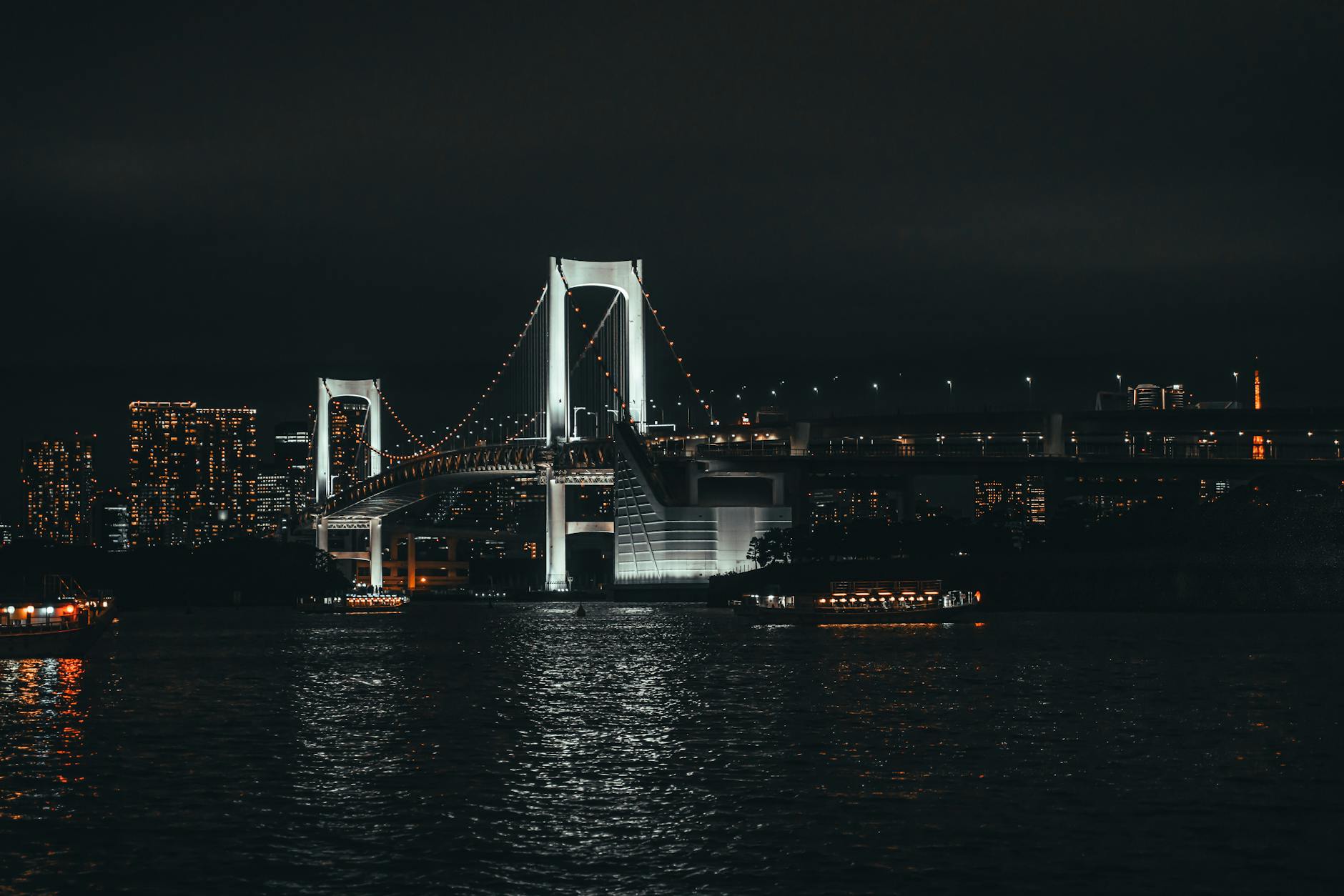
Japan is experiencing a tourism boom, with UK visitor numbers growing year on year. It is a destination that fascinates, intrigues, and slightly intimidates customers in equal measure — and that combination creates a perfect opportunity for travel agents. Customers who are curious about Japan but unsure how to navigate it will pay a premium for expert guidance, making average booking values strong at £3,000–£6,000 per person. The agents who sell Japan well are those who demystify it, show customers it is accessible, and build itineraries that balance the ancient and the ultra-modern.
This guide gives you the selling techniques, destination expertise, and objection-handling scripts to sell Japan confidently and build high-value, complex bookings.
Destination Overview
Key Facts Agents Must Know
| Fact | Detail |
|---|---|
| Location | East Asia — archipelago of 6,852 islands, four main islands |
| Flight time from UK | 11-12 hours direct (BA, JAL to Tokyo); 13-15 hours via hub |
| Best time to visit | March–May (cherry blossom, spring); October–November (autumn foliage); year-round appeal |
| Currency | Japanese Yen (JPY) — roughly £1 = ¥190. Japan remains relatively cash-heavy |
| Visa | No visa required for UK nationals — 90-day stay permitted |
| Language | Japanese — English signage in cities, limited spoken English outside tourist areas |
| Time zone | GMT+9 |
| Rail | Japan Rail Pass available for tourists — exceptional bullet train network |
Source: Japan National Tourism Organization (JNTO); FCDO Travel Advice
What Makes Japan Unique
Japan offers a cultural experience unlike anywhere else on Earth:
- Ancient meets futuristic — 1,000-year-old temples beside neon-lit skyscrapers
- Cherry blossom season — a natural spectacle that draws millions, uniquely Japanese
- Cuisine — sushi, ramen, kaiseki, street food — widely considered the world's finest food culture
- Bullet trains (Shinkansen) — 320 km/h travel between cities, punctual to the second
- Onsen culture — traditional hot spring bathing, often in mountain or rural settings
- Safety — one of the safest countries in the world for tourists
- Unique accommodation — ryokan (traditional inns), capsule hotels, temple stays
Target Customer Profiles
| Customer Type | Budget Range (pp) | What They Want | Best Experiences to Suggest |
|---|---|---|---|
| Culture seekers | £3,000–£5,500 | Temples, geisha districts, traditional arts | Kyoto, Nara, Kanazawa, ryokan stays |
| Food enthusiasts | £3,500–£6,000 | Market tours, cooking classes, Michelin dining | Tokyo, Osaka, Kyoto food tours |
| Honeymooners | £4,000–£7,000 | Unique experiences, luxury, romance | Ryokan stays, cherry blossom, Tokyo luxury hotels |
| Adventure/nature | £3,000–£5,000 | Hiking, skiing, rural Japan | Hakone, Japanese Alps, Hokkaido, Mount Fuji |
| Families | £3,000–£5,000 | Theme parks, interactive culture, safe travel | Tokyo (Disneyland, teamLab), Osaka, Hiroshima |
| Cherry blossom season | £3,500–£6,000 | The iconic spring experience | Tokyo, Kyoto, Yoshino — late March to mid-April |
Key Selling Points
Selling to the Emotion
Japan sells on wonder, contrast, and the thrill of experiencing something truly different:
| Don't Say | Do Say |
|---|---|
| "Japan has old temples" | "In Kyoto, you'll walk through a tunnel of 10,000 orange torii gates at Fushimi Inari, each one donated over centuries — it's one of the most photographed places on Earth, and photographs don't do it justice" |
| "The food is good" | "Japan has more Michelin stars than any other country, but the best meal you eat might be a £5 bowl of ramen from a counter with four seats — the depth of flavour is extraordinary" |
| "You can ride bullet trains" | "The Shinkansen glides past Mount Fuji at 320 km per hour, and you'll barely feel the speed. It's clean, silent, and arrives on time to the second — it makes the journey between cities part of the experience" |
| "There are cherry blossoms in spring" | "Imagine sitting beneath a canopy of pale pink blossoms in a Kyoto garden, petals drifting into your tea — the whole country celebrates this moment, and being there during cherry blossom season is truly unforgettable" |
The Value Conversation
| Concern | Response |
|---|---|
| "Japan must be incredibly expensive" | "Japan is surprisingly affordable once you're there. A fantastic lunch costs £8-12, the rail pass gives you unlimited bullet trains for £400 over two weeks, and a traditional ryokan stay with dinner and breakfast included is exceptional value" |
| "We won't understand anything" | "Japan's tourism infrastructure is brilliant — station signs are in English, Google Maps works perfectly for trains, and the Japanese are famously helpful. Customers always tell me they were surprised how easy it was to get around" |
| "Is two weeks enough?" | "Two weeks is ideal for a first visit — Tokyo, Kyoto, Osaka, and either Hiroshima or the Japanese Alps. You'll come home having seen the highlights and already planning when to go back" |
Source: JNTO UK; ABTA; Phocuswright
Common Objections and How to Handle Them
| Objection | Hidden Concern | Response |
|---|---|---|
| "We won't know how to get around" | Fear of language barrier, navigation | "Japan's rail system is the best in the world — English signage everywhere, a Japan Rail Pass gives you unlimited travel, and Google Maps routes you door-to-door with exact train times. Customers consistently say it's easier than the London Underground" |
| "The culture shock will be too much" | Feeling overwhelmed | "Japan is one of the most welcoming countries for tourists. It's incredibly safe, clean, and orderly. The 'culture shock' is entirely positive — you'll be amazed by the politeness, the attention to detail, and how everything just works" |
| "It's too far for a holiday" | Journey concern | "It's 11 hours direct from Heathrow — shorter than flying to Australia, Thailand, or the west coast of America. And with minimal jet lag strategies, most customers adjust within a day" |
| "We're not into anime or weird stuff" | Stereotyping concern | "Japan is one of the world's oldest and most sophisticated cultures — ancient gardens, Buddhist temples, world-class cuisine, stunning mountain scenery. The 'quirky' side is fun to dip into, but it's a fraction of what Japan offers" |
| "What about dietary requirements?" | Food anxiety | "Japanese cuisine is naturally diverse — rice, noodles, seafood, vegetables, tofu. Vegetarian and allergen-free dining is increasingly available, especially in tourist areas. I can recommend restaurants with English menus and allergy awareness" |
Upsell Opportunities
Japan's complexity makes upselling natural — customers genuinely need guidance on what to add.
| Upsell | Extra Cost (approx.) | Script |
|---|---|---|
| Economy → Business Class | £2,000–£3,500 pp | "JAL and BA both fly direct — Business Class on JAL is exceptional, and arriving in Tokyo rested after an 11-hour overnight flight means you don't lose a day to jet lag" |
| Hotel → ryokan for 2 nights | £150–£300/night pp | "A ryokan stay is THE quintessential Japanese experience — tatami rooms, futon beds, kaiseki dinner, onsen bathing. Two nights in Hakone or the Japanese Alps transforms the trip" |
| Standard JR Pass → Green Car (first class) | £100–£200 pp | "Green Car on the Shinkansen is spacious, quiet, and guaranteed seats — on a busy cherry blossom trip, it makes the train journeys genuinely relaxing" |
| Geisha district walking tour | £40–£80 pp | "A guided walk through Gion at dusk — your guide explains the history, you may glimpse a geiko or maiko, and you understand the traditions behind what you're seeing" |
| Day trip to Mount Fuji/Hakone | £60–£120 pp | "A day trip from Tokyo to Hakone gives you hot springs, Lake Ashi, and — on a clear day — the iconic view of Mount Fuji. It's the most popular day trip in Japan for a reason" |
| Sumo tournament tickets | £60–£150 pp | "If your dates align with a tournament, sumo is one of the most extraordinary sporting experiences in the world — the ritual, the atmosphere, the raw power. Tickets sell out fast" |
Sample Itineraries
Classic Japan: 2 Weeks — £3,800pp
| Component | Detail |
|---|---|
| Flights | JAL direct to Tokyo, Economy |
| Route | Tokyo (4 nights) → Hakone (1 night) → Kyoto (4 nights) → Nara (day trip) → Osaka (2 nights) → Hiroshima (2 nights, including Miyajima Island) |
| Rail | 14-day Japan Rail Pass |
| Accommodation | Mix of 3-4 star hotels + 1 night ryokan in Hakone |
| Upsell opportunity | Business Class (+£2,500pp), additional ryokan nights (+£200/night pp), Green Car JR Pass (+£150pp) |
Cherry Blossom Special: 12 Days — £5,000pp
| Component | Detail |
|---|---|
| Flights | BA direct to Tokyo, Premium Economy |
| Route | Tokyo (3 nights) → Kanazawa (2 nights) → Kyoto (4 nights) → Mount Koya temple stay (1 night) → Osaka (1 night) |
| Rail | 14-day Japan Rail Pass |
| Accommodation | Boutique hotels, temple lodging, 1 night ryokan |
| Includes | Cherry blossom walking tours, tea ceremony, cooking class |
| Upsell opportunity | Business Class (+£2,000pp), private geisha district tour (+£120pp), kaiseki dinner (+£80pp) |
Luxury Honeymoon: 2 Weeks — £7,000pp
| Component | Detail |
|---|---|
| Flights | JAL direct, Business Class |
| Route | Tokyo (3 nights) → Hakone ryokan (2 nights) → Kyoto (4 nights) → Naoshima Art Island (2 nights) → Osaka (2 nights) |
| Accommodation | Aman Tokyo, Gora Kadan (Hakone), Suiran Kyoto, Benesse House (Naoshima) |
| Includes | Private tea ceremony, sake tasting, teamLab exhibition, guided temple tours |
| Upsell opportunity | Helicopter Mount Fuji (+£350pp), Michelin tasting menu (+£150pp), extra nights Naoshima (+£300/night pp) |
Seasonal Selling Strategy
| Season | Price Level | How to Sell It |
|---|---|---|
| Late Mar–mid Apr (cherry blossom) | Highest | "Cherry blossom season is Japan's most magical moment — the entire country celebrates, parks fill with picnics under pink canopies, and temple gardens are at their most beautiful. Book 9-12 months ahead — accommodation sells out" |
| May–Jun | Moderate | "Late spring is warm, green, and less crowded. Gardens are lush, the rainy season adds atmosphere, and prices are lower than cherry blossom or autumn" |
| Jul–Aug | Moderate (hot) | "Summer festivals — fireworks, Bon Odori dancing, summer matsuri — bring energy and colour. It's hot and humid, so recommend Hokkaido for cooler temperatures and lavender fields" |
| Oct–Nov (autumn foliage) | High | "Autumn foliage in Japan rivals cherry blossom — red maples against golden temples in Kyoto, mountain trails ablaze with colour. The weather is perfect — clear, cool, comfortable" |
| Dec–Feb | Lower | "Winter Japan is a secret — snow-capped temples, world-class skiing in Niseko, and the famous snow monkeys bathing in hot springs. Fewer crowds, lower prices, and a completely different experience" |
Practise Selling Japan
Use AI roleplay to practise these scenarios:
| Scenario | Focus |
|---|---|
| Couple wanting cherry blossom trip but worried about navigating Japan | Needs analysis, reassurance, logistics knowledge |
| Customer comparing a Japan package to booking independently online | Price objection handling, demonstrating agent value |
| Food-lover couple wanting an immersive culinary experience | Consultative selling, curating food-focused itinerary |
| Family asking "is Japan suitable for children?" | Product knowledge, family-friendly recommendations |
| Honeymooners torn between Japan and Italy | Psychology of buying, matching desire to destination |
Japan is the destination that turns first-time visitors into lifelong advocates — and the agents who sell it best are those who remove the fear and replace it with excitement. Know the rail system, understand the seasons, and paint the picture of a country where ancient tradition and modern innovation exist in perfect harmony. Use closing techniques that build confidence: "Let me take care of the logistics — you just need to decide when."