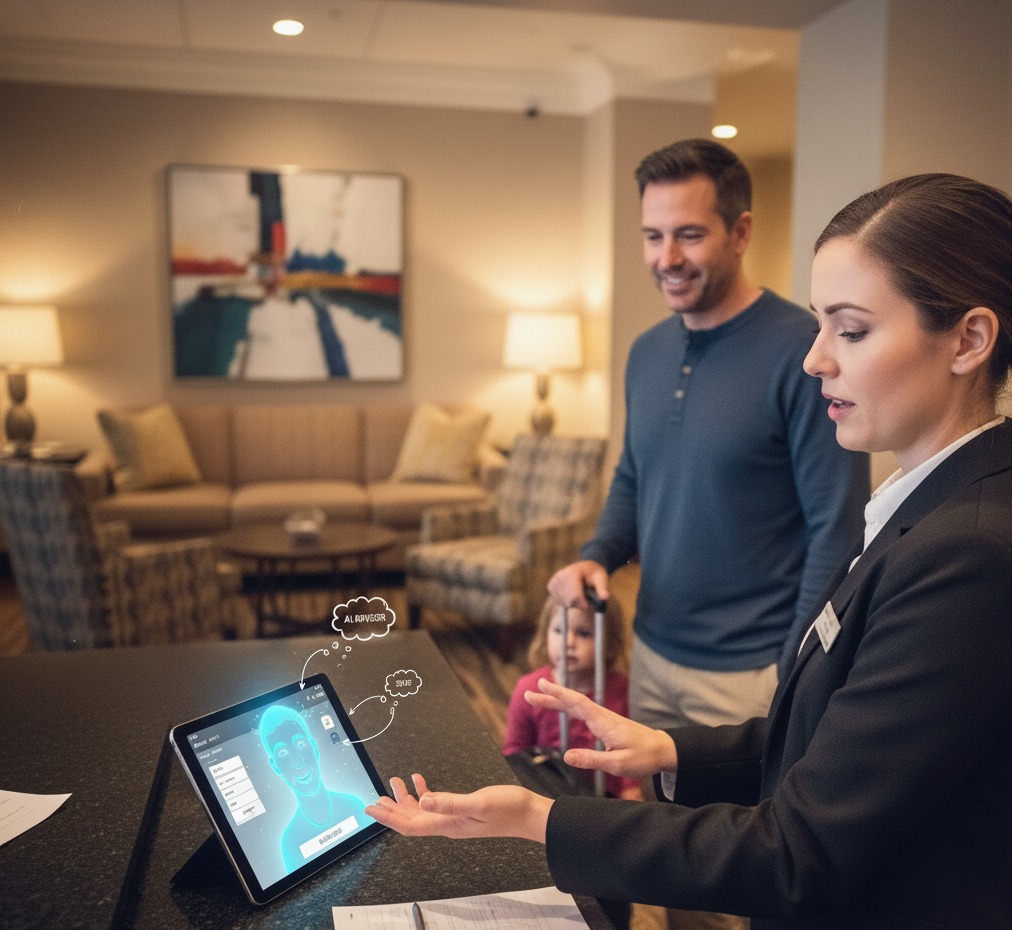
The difference between agencies that grow and those that stagnate is rarely market conditions — it's internal culture. Agencies with a coaching culture outperform those with a management culture by 20-40% on revenue per agent. Coaching means developing people's selling skills continuously, not just monitoring their output. This guide shows how to build that culture.
What a Coaching Culture Looks Like
Coaching vs Managing
| Management Culture | Coaching Culture |
|---|---|
| "You didn't hit your target this month" | "Let's look at where you're losing bookings and practise that together" |
| Reviews are about numbers only | Reviews include skill development and learning |
| Training happens once or twice a year | Learning happens every day |
| Mistakes are punished | Mistakes are learning opportunities |
| Top performers are left alone | Top performers share their techniques with others |
| Agents work in isolation | Team shares successes, challenges, and techniques |
| Manager says "sell more" | Manager says "let me help you sell better" |
Source: CIPD Coaching Effectiveness Report; Gallup Workplace Performance Study
The Revenue Impact
| Agency Type | Close Rate | Avg Booking Value | Revenue/Agent | Staff Turnover |
|---|---|---|---|---|
| No coaching | 18-22% | £1,900 | £280,000 | 35-45% |
| Occasional coaching | 25-30% | £2,300 | £400,000 | 25-30% |
| Coaching culture | 33-40% | £2,800 | £580,000 | 12-18% |
Coaching cultures generate 2x the revenue per agent and retain staff at twice the rate.
Building the Foundation
Step 1: Define Selling Standards
Before you can coach, you need a clear picture of what "good" looks like.
| Skill Area | Observable Standard | How to Measure |
|---|---|---|
| Needs analysis | Uses DISCOVER framework; asks 7+ quality questions | Call observation; AI roleplay scores |
| Product presentation | Presents 3 options with value comparison | Quote review |
| Upselling | Offers upgrade on 80%+ of bookings | Booking data analysis |
| Objection handling | Uses PRICE framework; converts 30%+ of objections | Call observation; roleplay scores |
| Closing | Uses appropriate close; asks for booking on every interaction | Conversion rate tracking |
| Follow-up | 100% follow-up within 24 hours; structured chase schedule | CRM data |
| Customer satisfaction | 4.5+/5.0 post-booking score | Survey data |
Step 2: Equip Managers as Coaches
| Manager Skill | Training Required | Outcome |
|---|---|---|
| Observation | How to listen to calls and identify skill gaps | Accurate skill diagnosis |
| Feedback delivery | Constructive, specific, actionable feedback | Agents accept and act on coaching |
| Question-based coaching | Ask "What could you try differently?" not "You should have said..." | Agent ownership of development |
| Using AI coaching data | Interpreting performance analytics | Data-driven coaching conversations |
| Celebration | Recognising improvement, not just results | Positive coaching environment |
| Consistency | Coaching weekly, not just when performance dips | Sustained development |
Step 3: Create the Coaching Rhythm
| Frequency | Activity | Duration | Participants |
|---|---|---|---|
| Daily | AI roleplay practice | 5-10 min | Individual agent |
| Weekly | 1-to-1 coaching check-in | 15 min | Manager + agent |
| Weekly | Team "best booking" share | 10 min | Full team |
| Bi-weekly | Call review session | 30 min | Manager + agent |
| Monthly | Team skills workshop | 60 min | Full team |
| Monthly | Performance review with AI data | 30 min | Manager + agent |
| Quarterly | Deep development review | 45 min | Manager + agent |
The Weekly Coaching Conversation
Structure
| Phase | Duration | Content |
|---|---|---|
| 1. Celebrate | 3 min | What went well this week? Best booking? Proudest moment? |
| 2. Review | 5 min | AI coaching data review — scores, improvement areas, practice frequency |
| 3. Focus | 5 min | One specific skill to improve this week — agree approach and practice plan |
| 4. Commit | 2 min | What will you do differently? When will you practise? |
Example Coaching Conversations
| Situation | Manager Approach |
|---|---|
| Agent losing bookings to "think about it" | "Let's look at your closing techniques. Your AI roleplay shows you're not using urgency or next-step closes. Try the Next-Step Close on your next 5 enquiries and let me know how it goes" |
| Agent not upselling | "Your average booking value is £1,900 — team average is £2,400. Let's practise presenting three options using AI roleplay. I think once you've done it a few times, it'll feel natural" |
| Agent with high conversion but low value | "Your close rate is excellent — 38%. Now let's work on upselling. You're great at getting the booking — let's get more value from each one" |
| New agent struggling | "Don't worry about conversion yet — focus on needs analysis. If you ask better questions, the right recommendations follow naturally. Let's practise 3 scenarios this week" |
Team Development Activities
Monthly Skills Workshop
| Month | Focus | Activity | Duration |
|---|---|---|---|
| January | Needs analysis | Team DISCOVER framework practice | 60 min |
| February | Upselling | Upsell challenge — best upsell story wins | 60 min |
| March | Objection handling | Price objection practice in pairs | 60 min |
| April | Product knowledge | Supplier quiz challenge | 60 min |
| May | Closing | Close technique practice with AI roleplay | 60 min |
| June | Email sales | Quote review — team critiques real quotes | 60 min |
| July | Telephone skills | Call listening and feedback session | 60 min |
| August | Cross-selling | Ancillary attachment practice | 60 min |
| September | Complex bookings | Multi-destination scenario practice | 60 min |
| October | Social selling | Social media content planning | 60 min |
| November | Premium selling | Luxury and celebration booking practice | 60 min |
| December | Year in review | Best of the year; goals for next year | 60 min |
Peer Coaching
| Format | How It Works | Benefit |
|---|---|---|
| Buddy system | Pair experienced with newer agents; weekly check-in | Knowledge transfer without manager dependency |
| Call swaps | Agents listen to each other's calls and give feedback | Peer perspective; shared learning |
| Best booking share | Weekly team meeting — share your best booking and what you did | Celebrates success; spreads techniques |
| Challenge competitions | Monthly focus challenge (highest upsell, best close rate) | Healthy competition drives improvement |
AI-Powered Coaching Tools
How AI Coaching Supports the Culture
| Capability | Cultural Impact |
|---|---|
| Roleplay practice | Agents can practise without fear of judgement |
| Objective scoring | Fair, consistent measurement — not based on manager opinion |
| Gap identification | AI pinpoints specific weaknesses for targeted coaching |
| Progress tracking | Agents see their own improvement — motivating |
| Leaderboards | Healthy competition with transparency |
| Manager dashboards | Managers coach with data, not guesswork |
Integrating AI into Coaching Conversations
| Traditional Coaching | AI-Enhanced Coaching |
|---|---|
| "I think you need to work on closing" | "Your AI data shows your close rate is 22% — the technique gap is in urgency closes. Your roleplay scores improve when you practise the Deadline Close" |
| "Let's do some role-play" | "You've done 8 AI roleplay sessions this month — your objection handling score went from 62% to 78%. Let's focus on the scenarios you scored lowest on" |
| "How are you feeling about your selling?" | "Your data shows confidence is growing — booking values are up 15% since you started AI coaching. What's working well?" |
Measuring Coaching Culture Impact
Agent-Level Metrics
| Metric | No Coaching | Coaching Culture | Change |
|---|---|---|---|
| Close rate | 20% | 36% | +80% |
| Average booking value | £1,900 | £2,800 | +47% |
| Upsell rate | 12% | 35% | +192% |
| Customer satisfaction | 3.8/5.0 | 4.5/5.0 | +18% |
| Agent confidence | 3.0/5.0 | 4.2/5.0 | +40% |
| AI roleplay sessions/month | 0 | 12+ | New metric |
Agency-Level Metrics
| Metric | No Coaching | Coaching Culture | Change |
|---|---|---|---|
| Revenue per agent | £280,000 | £580,000 | +107% |
| Staff turnover | 38% | 15% | -61% |
| Training investment/agent | £200 | £500 (but self-funding) | Higher investment, higher return |
| Recruitment cost/year | £25,000 | £8,000 | -68% |
| Training ROI | Not measured | 2,500%+ | New capability |
Common Obstacles and Solutions
| Obstacle | Solution |
|---|---|
| "We don't have time for coaching" | Start with 15 min/week per agent + AI practice. The time investment pays back in reduced hand-holding |
| "Managers aren't natural coaches" | Train managers in coaching skills; AI tools reduce the coaching skill required |
| "Agents resist being coached" | Position coaching as development, not remediation. Celebrate improvement publicly |
| "We can't measure the impact" | AI analytics provide objective measurement from day one |
| "We tried it before and it faded" | Build coaching into the weekly rhythm; make it non-negotiable, not optional |
| "Senior agents don't need coaching" | Top performers benefit most from advanced coaching — and should coach juniors |
A coaching culture isn't built in a workshop — it's built in daily habits. Five minutes of AI practice, fifteen minutes of weekly coaching, and a team meeting where success is celebrated. Over 12 months, these small habits compound into transformational performance improvement.
Build your coaching culture with TravAI →
This article is part of our Travel Sales Skills & Coaching series. Related reading: