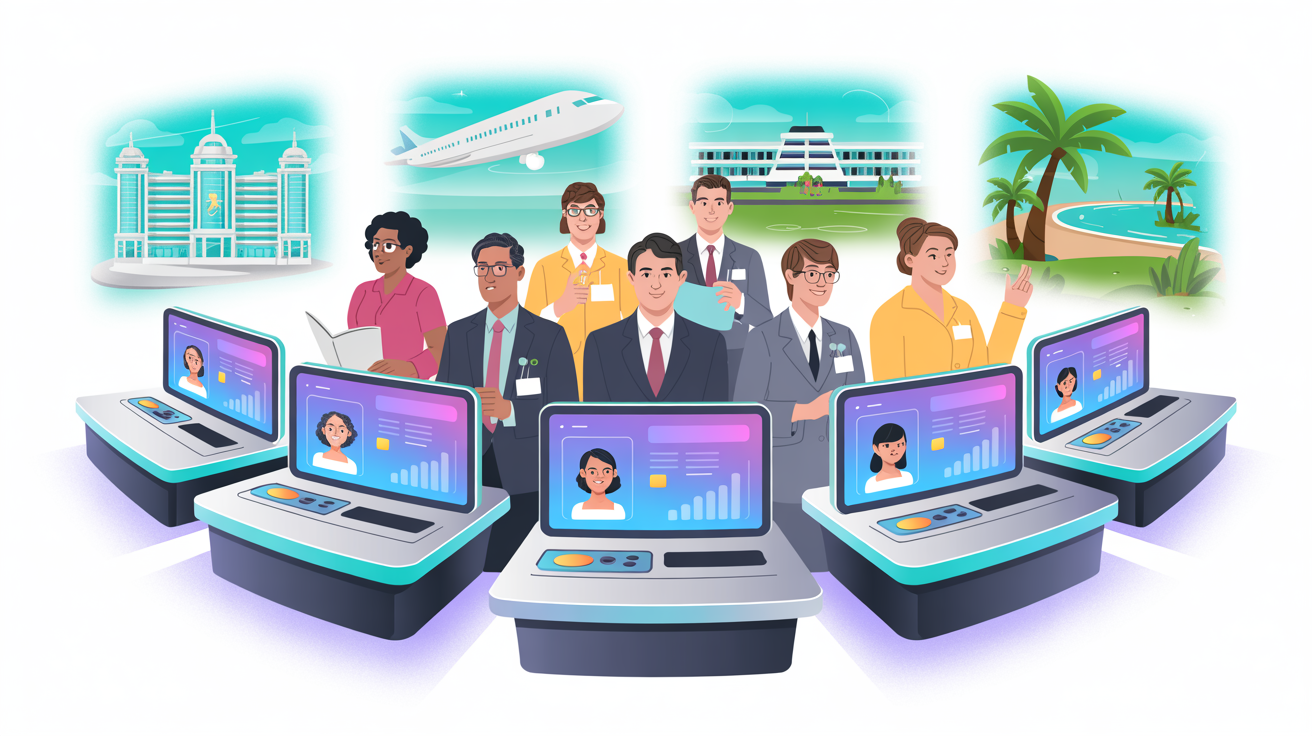
Sales enablement is everything you do to help the people selling your tours sell them more effectively. It's broader than training, more strategic than marketing, and more measurable than "support."
For tour operators distributing through travel agents, sales enablement is the systematic process of equipping agents with the knowledge, skills, content, and tools they need to recommend, sell, and book your products confidently.
Sales Enablement vs Sales Training
The distinction matters because it changes what you invest in and how you measure success.
| Sales Training | Sales Enablement | |
|---|---|---|
| Scope | Teaching agents about your products | Everything that helps agents sell your products |
| Includes | Product knowledge courses, workshops | Training + content + tools + coaching + analytics |
| Timing | Events (onboarding, annual updates) | Continuous (always-on support) |
| Ownership | Training department | Commercial/sales leadership |
| Measures | Training completion, quiz scores | Bookings, revenue, conversion |
| Goal | Agents know your products | Agents sell your products |
Training is a component of enablement — an important one — but enablement encompasses everything that bridges the gap between an agent knowing your product exists and confidently booking it for a customer.
The Five Components of Tour Operator Sales Enablement
1. Product Knowledge
Agents need to understand your products deeply enough to recommend them confidently. This goes beyond brochure facts.
What agents need to know:
- Property details, room categories, unique selling points
- Customer profiles (who is this product right for — and not right for?)
- Seasonal differences and best-time-to-visit guidance
- Comparison with competitor products
- Common customer questions and how to answer them
How to deliver it: AI-powered training modules covering your full product range — not just top sellers. Phocuswright research shows agents who complete product training sell 35-55% more of that product.
2. Selling Skills
Knowing the product is necessary but insufficient. Agents also need the selling capability to convert enquiries into bookings.
Key selling skills for tour operator products:
- Upselling room categories and premium experiences
- Handling objections ("I found it cheaper online," "Is it safe?")
- Needs analysis and matching customers to the right itinerary
- Creating urgency without pressure
- Cross-selling ancillary products (transfers, insurance, excursions)
How to deliver it: AI roleplay provides unlimited practice with virtual customers. AI coaching gives specific feedback on technique. Agents practise in a safe environment before facing real customers.
3. Sales Content
Agents need materials they can use during and after customer conversations — not just brochures to read themselves.
Effective sales content includes:
- Customer-facing destination presentations
- Comparison guides (your properties vs alternatives)
- Sample itineraries for common customer profiles
- Pricing tools and availability information
- Visual content (photos, videos, virtual tours)
- Post-enquiry follow-up templates
How to deliver it: A searchable, always-current content library within your training platform. Content that's easy to find, share, and use in real sales conversations.
4. Tools and Technology
The practical tools that make selling your products efficient:
- Trade booking system (fast, reliable, agent-friendly)
- Real-time availability and pricing
- Quote builders and itinerary planners
- Training platform with mobile access
- Communication channels (BDM contact, support chat)
5. Performance Analytics
Understanding which agents are performing, improving, or struggling — and why.
Key metrics to track:
- Training completion and knowledge scores
- Booking volumes by agent
- Average booking values
- Conversion rates (enquiries to bookings)
- Product mix (are agents selling your full range?)
How to deliver it: Analytics dashboards connecting training data to booking performance, giving BDMs actionable insights.
Why Traditional Approaches Fall Short
Most tour operators already do some enablement activities. The problem is that traditional approaches are fragmented, unmeasured, and expensive relative to their impact.
| Traditional Approach | Limitation |
|---|---|
| Annual roadshows | Reach <10% of agents; information forgotten within weeks |
| PDF product guides | Never read; impossible to track engagement |
| BDM visits | Expensive; can only reach a fraction of the network |
| Familiarisation trips | Valuable but reach 10-20 agents per trip |
| Email newsletters | Low open rates; no engagement measurement |
| Trade website | Static; agents visit once and forget |
The common thread: these activities deliver information without ensuring comprehension, enabling practice, or measuring impact. They're enablement inputs without enablement outcomes.
Modern Sales Enablement in Practice
| Activity | Traditional | Modern (AI-Powered) |
|---|---|---|
| Product training | PDF guides, roadshows | Interactive modules, always available |
| Skills development | Classroom workshops | AI roleplay and coaching, unlimited practice |
| Content delivery | Email attachments, trade website | Searchable platform, contextual delivery |
| Performance tracking | Anecdotal, spreadsheet | Real-time analytics, data-driven decisions |
| Agent onboarding | Manual BDM process | Automated digital programme |
| Communication | Broadcast email | Targeted by agent segment, behaviour, and performance |
The Business Case
ABTA and industry data supports the commercial impact of structured enablement:
| Metric | Without Structured Enablement | With Structured Enablement |
|---|---|---|
| Active agent percentage | 20-30% of registered | 40-60% of registered |
| Average bookings per agent | 5-8 per year | 10-15 per year |
| Average booking value | Baseline | +15-25% (through upselling) |
| New agent time-to-first-booking | 30-60 days | 7-14 days |
| Agent retention (year-on-year) | 50-65% | 70-85% |
For a tour operator with 1,000 registered agents, moving from 25% active (250 agents × 6 bookings × £3,500 = £5.25M) to 50% active (500 agents × 12 bookings × £4,000 = £24M) represents transformational growth — driven entirely by better enablement of the existing network.
Getting Started
Sales enablement doesn't require a massive upfront investment. Start with the highest-impact components:
| Priority | Action | Timeline |
|---|---|---|
| 1 | Implement AI training platform | Month 1 |
| 2 | Create modules for your top 20 products | Month 1-2 |
| 3 | Launch certification programme | Month 2 |
| 4 | Add roleplay scenarios for common selling situations | Month 2-3 |
| 5 | Connect training data to booking performance | Month 3 |
| 6 | Expand content to cover full product range | Month 3-6 |
The operators who treat enablement as a strategic investment — not a cost centre — consistently outgrow those who rely on traditional, fragmented approaches. In a market where every operator is competing for the same agents' attention, the quality of your enablement determines whether agents sell your tours or your competitor's.
Build your sales enablement programme with TravAI →
This article is part of our Tour Operator Growth series. Related reading: