The travel industry in 2026 is defined by acceleration — of technology adoption, consumer expectation, workforce transformation, and competitive pressure. The businesses that understand these forces and adapt are growing. Those that don't are being left behind.
This guide maps the major trends shaping travel in 2026, organised by impact and actionability. For each trend, we explain what's happening, what the data shows, and what travel businesses should do about it.
The Big Picture: Industry Health
Market Recovery and Growth
The global travel market has moved beyond recovery into genuine growth:
| Metric | 2024 | 2025 | 2026 (Projected) |
|---|---|---|---|
| Global travel revenue | $9.5 trillion | $10.2 trillion | $10.9 trillion |
| International arrivals | 1.4 billion | 1.5 billion | 1.6 billion |
| UK outbound trips | 85 million | 89 million | 93 million |
| Average spend per trip | Growing (inflation + premiumisation) | +4-6% | +3-5% |
Source: WTTC Economic Impact, UNWTO Tourism Barometer, ONS Travel Trends.
Growth is real but uneven. Luxury, experiential, and specialist segments are outperforming mass-market. Destinations in Southeast Asia, the Middle East, and Southern Europe are growing fastest. Northern European destinations face weather-driven demand shifts.
Trend 1: AI Transforms Everything
The State of AI Adoption
AI in travel has moved from experimentation to implementation:
| AI Application | Adoption Level (2026) | Impact |
|---|---|---|
| AI-powered training | Early mainstream | 35-55% booking uplift from trained agents |
| AI sales coaching | Early adopters | 20-40% conversion improvement |
| AI content creation | Mainstream | 80% cost reduction in content production |
| Chatbots and customer service | Mainstream | 40-60% of routine queries handled |
| Dynamic pricing | Growing | 5-12% yield improvement |
| Personalisation engines | Growing | 15-25% conversion uplift |
| Predictive analytics | Early adopters | Better demand forecasting |
What This Means for Travel Businesses
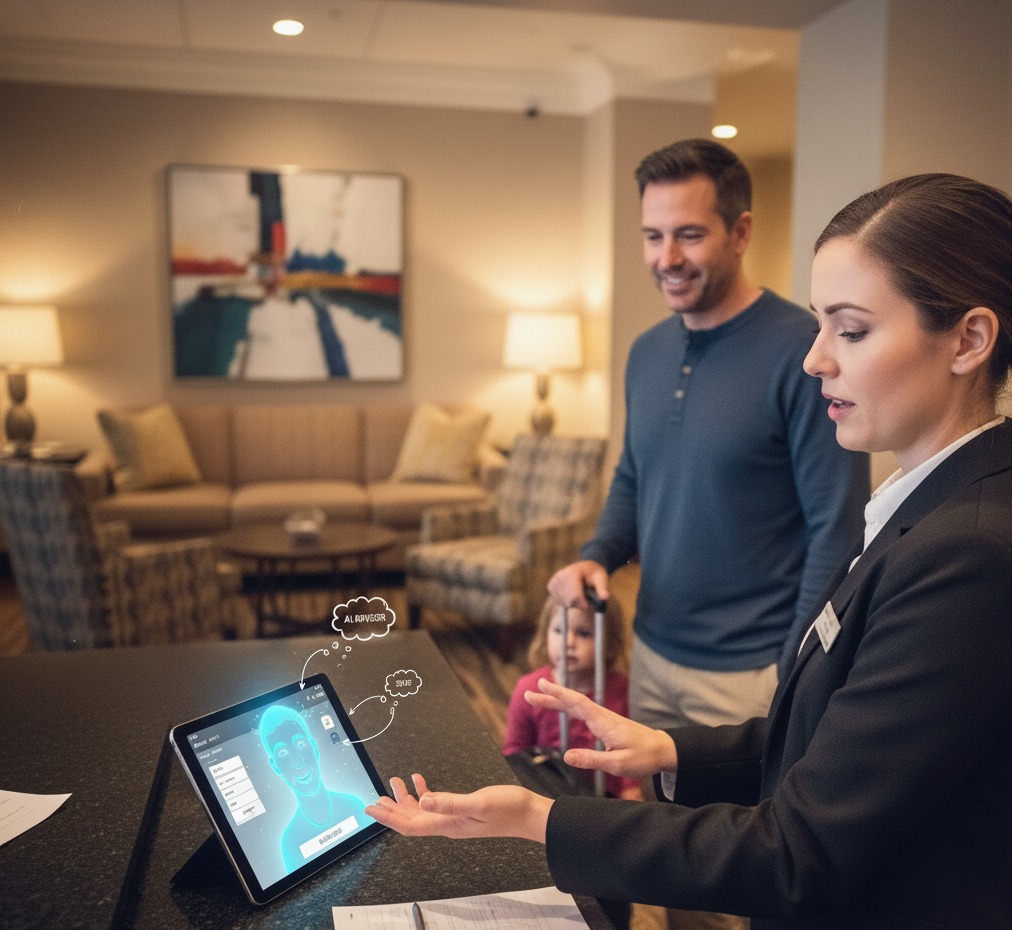
For tour operators: AI-powered agent enablement is the highest-ROI technology investment available. Operators using AI training report 70-100%+ growth in agent bookings.
For hotels: AI is transforming staff training, revenue management, and guest personalisation simultaneously.
For agencies: Agents using AI coaching are outperforming those who don't — the skill gap is widening.
For DMOs: AI-powered destination training enables engagement with thousands of agents at fractional cost.
Action: If you haven't implemented AI training and enablement, you're already behind early adopters who are capturing measurable competitive advantage.
Read more: AI in Travel and Tourism Complete Guide →
Trend 2: The Workforce Crisis
The Numbers
| Workforce Metric | Data |
|---|---|
| Travel industry staff turnover | 30-45% annually (hospitality higher) |
| Unfilled vacancies | 15-20% of travel positions |
| Time to fill a position | 40-65 days average |
| Training investment per employee | £400-£800 (below cross-industry average) |
| Staff citing "lack of development" as reason for leaving | 35-45% |
Source: CIPD Labour Market Outlook, WTTC Staff Shortages Report, People 1st research.
The Root Causes
| Cause | Impact |
|---|---|
| Post-pandemic talent loss | Experienced staff left during shutdowns and haven't returned |
| Wage competition | Retail, hospitality, and gig economy competing for same talent |
| Perceived career limitations | Young workers don't see travel as offering progression |
| Poor training | New hires feel unsupported and leave within 6 months |
| Seasonal employment | Uncertain hours deter commitment |
What Travel Businesses Should Do
- Invest in onboarding: Reduce time-to-competence so new hires feel productive faster
- Provide development: AI-powered training gives every employee access to development, not just those near head office
- Use AI coaching: Replace the mentorship gap left by experienced staff departures
- Measure and address turnover: Track training engagement as a leading indicator of retention
- Create career pathways: Visible progression through certification programmes
Read more: Travel Industry Staff Turnover →
Trend 3: The Experience Economy Accelerates
Consumer Behaviour Shifts
| Shift | Evidence |
|---|---|
| Experiences over things | 72% of millennials prefer spending on experiences (Harris Group) |
| Unique over familiar | Demand for "off the beaten track" growing 15-20% annually |
| Authentic over staged | Local food, culture, and community-based tourism trending |
| Active over passive | Adventure and activity holidays growing 10-15% annually |
| Transformative over transactional | Wellness, learning, and purpose-driven travel segments growing |
Implications for Training
Agents need to sell experiences, not just destinations. This requires deeper product knowledge and more nuanced selling skills:
- Destination specialist training that goes beyond hotel facts
- Roleplay practice selling experiential products
- Cultural knowledge modules for authentic travel positioning
- Upselling training on experience add-ons
Read more: What Is Experiential Travel? →
Trend 4: Sustainability Becomes Mainstream
Where We Are
| Sustainability Metric | Data |
|---|---|
| Consumers wanting sustainable travel | 68% (ABTA) |
| Willing to pay premium for sustainability | 38-45% |
| Businesses with formal sustainability strategy | 25-35% |
| Industry carbon emissions vs 2019 | Approaching pre-pandemic levels |
The Gap Between Intention and Action
The "say-do gap" remains significant — consumers say they want sustainable travel but don't consistently choose it. The businesses closing this gap are those that make sustainability easy, desirable, and visible rather than requiring consumer sacrifice.
What Travel Businesses Should Do
- Integrate sustainability into products — not as an add-on but as a core feature
- Train agents to sell sustainability — it's a selling point, not an obstacle
- Avoid greenwashing — specific, measurable claims only
- Obtain credible certification — GSTC, Travelife, B Corp
- Report transparently — publish impact data
Read more: Sustainable Travel Trends →
Trend 5: Technology Reshapes Distribution
Channel Evolution
| Channel Trend | Direction | Impact |
|---|---|---|
| OTA market share | Stabilising | Major OTAs mature; growth slowing |
| Direct booking | Growing | Operators investing in D2C capability |
| Agent channel | Evolving | Shifting from high street to homeworkers and digital |
| Social commerce | Emerging | Bookings originating from social media growing |
| Voice and AI assistants | Early stage | Future channel; limited current impact |
The Agent Channel Evolution
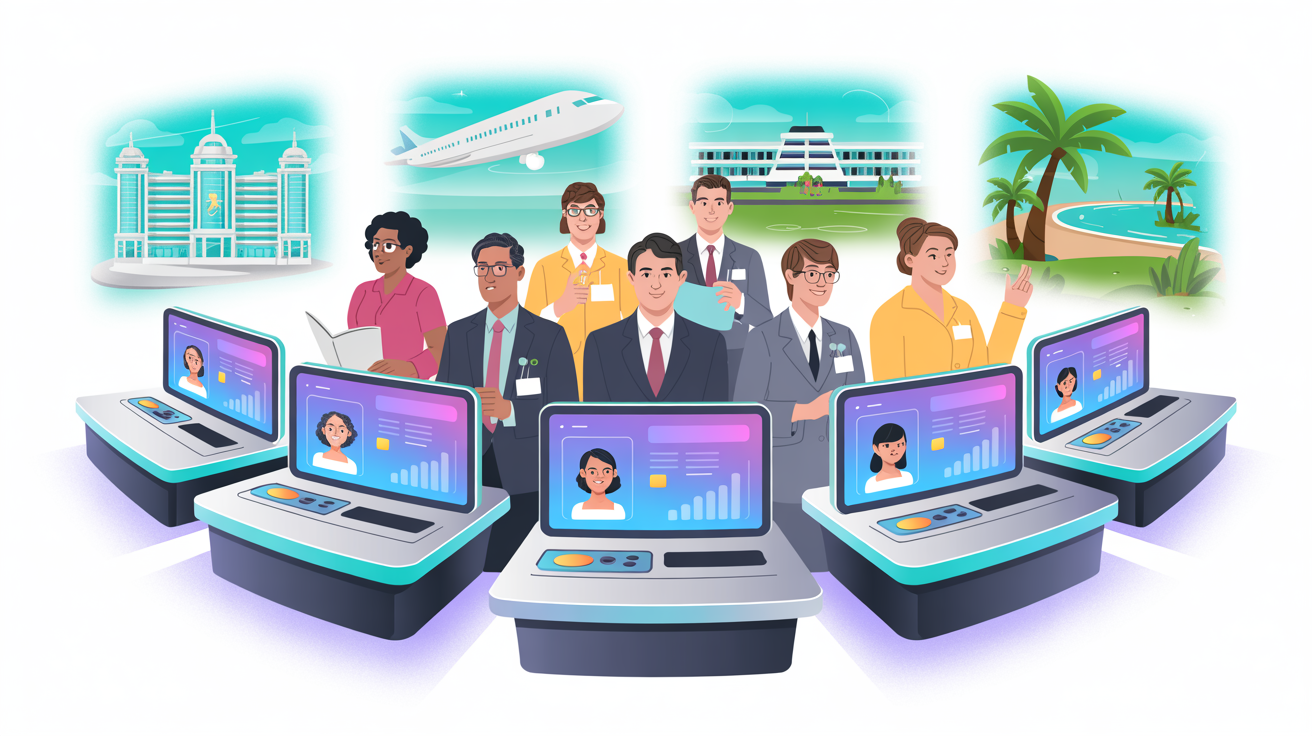
The travel agent channel isn't dying — it's transforming:
| Old Model | New Model |
|---|---|
| High street shops | Homeworker networks, virtual agencies |
| Brochure-based selling | AI-enabled consultative selling |
| Product knowledge from experience | AI-powered training + experience |
| Manual processes | Technology-assisted booking and CRM |
| Generalist agents | Specialist-certified advisors |
Agents who adopt technology and deepen their expertise are thriving. Those relying on legacy approaches are struggling. AI enablement accelerates this bifurcation.
Read more: The Future of Travel Agencies →
Trend 6: Personalisation Expectations Rise
What Consumers Expect
| Expectation | Percentage |
|---|---|
| Expect personalised recommendations | 71% (McKinsey) |
| Frustrated by generic marketing | 76% |
| More likely to buy from personalised experience | 80% |
| Willing to share data for better personalisation | 55% |
How AI Enables Personalisation
| Application | How It Works |
|---|---|
| Adaptive learning | Training content adjusts to each agent's knowledge level |
| Personalised selling recommendations | AI coaching suggests approaches based on customer profile |
| Content personalisation | Marketing content tailored to customer preferences |
| Dynamic packaging | Customised package creation based on customer data |
Trend 7: New Traveller Segments
Segments Reshaping Demand
| Segment | Size/Growth | Characteristics | Training Implication |
|---|---|---|---|
| Gen Z travellers | Fastest growing | Mobile-first, experience-driven, sustainability-conscious | Agents need to understand digital-native preferences |
| Solo travellers | +12% annually | Independence, safety, social opportunities | Selling skills for solo-specific concerns |
| Multi-generational | +8% annually | Family groups spanning 3+ generations | Complex itinerary skills, accessibility awareness |
| Bleisure/workation | +15% annually | Business + leisure combination | Extended stay, co-working facility knowledge |
| Wellness travellers | +10% annually | Health, fitness, mental wellbeing | Specialist product knowledge |
| Accessible travel | Growing (ageing population) | Mobility, sensory, cognitive accommodations | Accessibility training essential |
Read more: Gen Z and Millennial Travel Preferences →
Trend 8: Regulatory Environment Tightens
Key Regulatory Developments
| Regulation | Impact | Timeline |
|---|---|---|
| EU Package Travel Directive updates | Expanded consumer protection requirements | Ongoing implementation |
| UK Consumer Rights Act enforcement | Stricter enforcement of existing rights | Active |
| GDPR/UK data protection | Continued enforcement; AI-specific guidance emerging | Active |
| Environmental reporting | Mandatory sustainability reporting for larger businesses | Phased introduction |
| Accessibility requirements | Expanding obligations for digital and physical accessibility | Growing |
| AI regulation | EU AI Act; UK framework emerging | 2025-2027 |
What This Means
Compliance training is no longer optional. Businesses need:
- Automated compliance tracking
- Regular staff training updates when regulations change
- Evidence of training completion for audits
- AI-powered platforms that update training content when regulations change
Read more: Travel Industry Regulations in 2026 →
Trend 9: Data-Driven Decision Making
The Analytics Maturity Curve
| Level | Description | % of Travel Businesses |
|---|---|---|
| Reactive | No analytics; decisions based on gut feel | 20-30% |
| Basic | Spreadsheet reporting; monthly review | 30-40% |
| Intermediate | Dashboard analytics; weekly monitoring | 20-25% |
| Advanced | Predictive analytics; real-time optimisation | 5-10% |
| AI-driven | Automated decision support; machine learning | 2-5% |
Where Data Delivers Most Value
| Data Application | Business Impact |
|---|---|
| Training analytics → booking correlation | Prove ROI; optimise training investment |
| Agent performance segmentation | Target enablement where it delivers most |
| Demand forecasting | Better pricing and inventory decisions |
| Customer segmentation | Personalised marketing and product development |
| Competitive intelligence | Faster response to market changes |
Trend 10: Content at Scale
The Content Challenge
Travel businesses need more content than ever — for marketing, training, sales enablement, and customer communication — but struggle with production capacity:
| Content Need | Volume Required | Traditional Approach | AI-Powered Approach |
|---|---|---|---|
| Product training modules | 50-500 per operator | Months of development | Weeks (AI-generated) |
| Marketing content | Daily across channels | Content team | AI-assisted creation |
| Agent communication | Weekly, segmented | Manual email | Automated, personalised |
| Assessment questions | Hundreds per programme | Manual quiz creation | AI-generated, human-reviewed |
| Multi-language content | All content × languages | Expensive translation | AI translation |
AI content creation is enabling businesses to produce 5-10x more content at 20-50% of traditional cost.
How to Respond: Strategic Priorities
For Tour Operators
- Implement AI-powered agent enablement — highest-ROI growth investment
- Build sustainable tourism positioning
- Invest in data analytics connecting training to bookings
- Develop specialist and experiential products
For Hotels
- Address staff turnover through better training
- Adopt AI for staff development at scale
- Invest in guest experience training
- Ensure compliance training is automated and current
For Travel Agencies
- Embrace AI as a tool that enhances agent value
- Invest in agent specialisation
- Build consultative selling capability
- Differentiate through expertise, not price
For DMOs
- Scale destination training through AI platforms
- Lead sustainable tourism in your region
- Use data to measure trade engagement effectiveness
- Build year-round demand through seasonal marketing
The Common Thread
Every major trend in 2026 points in the same direction: travel businesses that invest in their people — through better training, coaching, practice, and development — outperform those that don't. Technology, especially AI, is the enabler that makes this investment scalable, measurable, and affordable.
The question isn't whether to invest in AI-powered enablement. The question is how quickly you can implement it before your competitors do.
Start your AI enablement journey with TravAI →
This is the pillar page for our Travel Industry Trends series. Explore the full series: